You have a car and think: “Maybe I should hit the city and start earning?” Driving jobs can be really flexible, and you decide how it will look. Whether ‘work with your own car’ becomes your main source of income or just a side job after hours is up to you. Read this article to the end, because we’ll show you a simple path to get started and tell you when it’s most profitable.

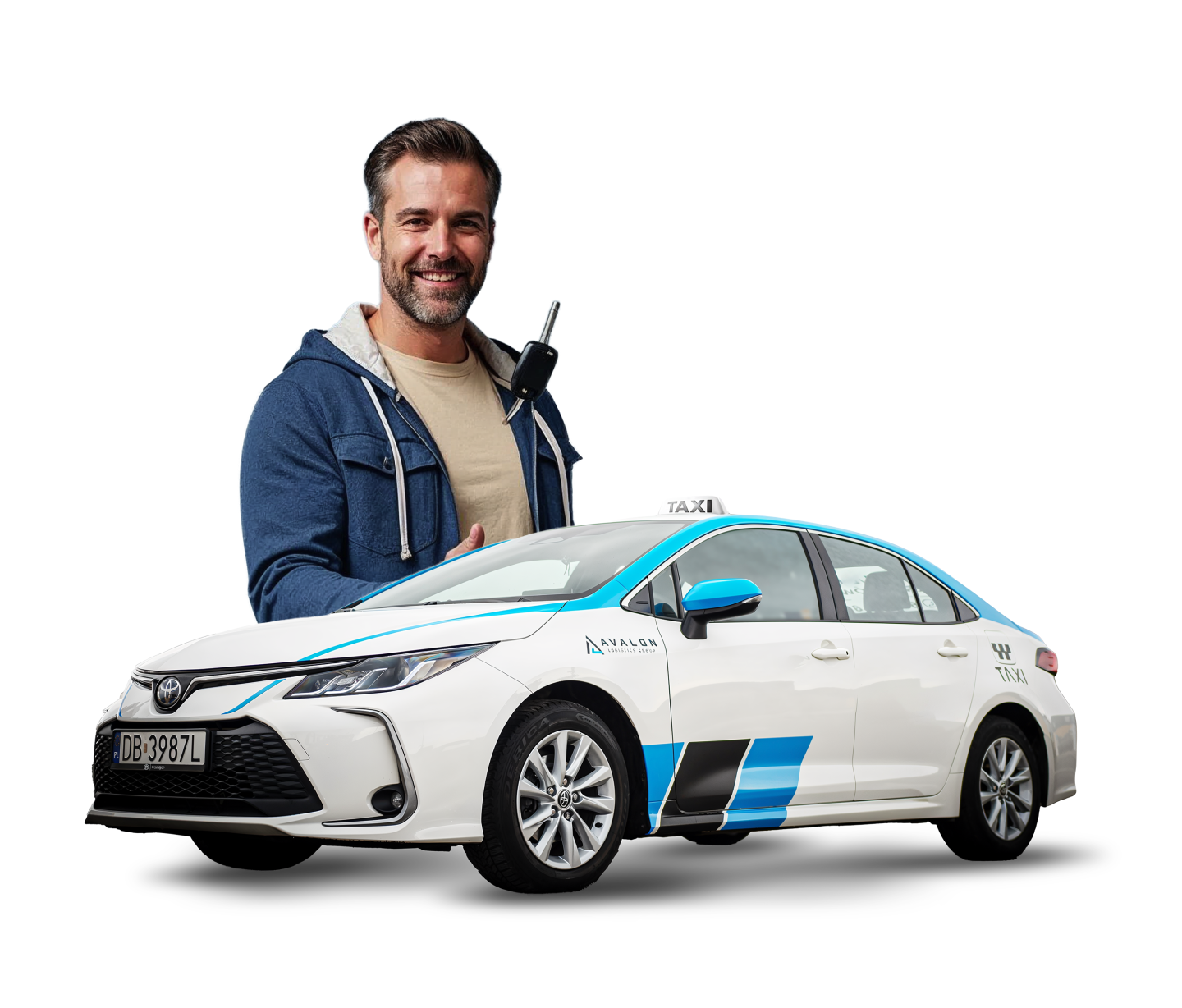
BECOME A TAXI DRIVER
Work and earn right away!


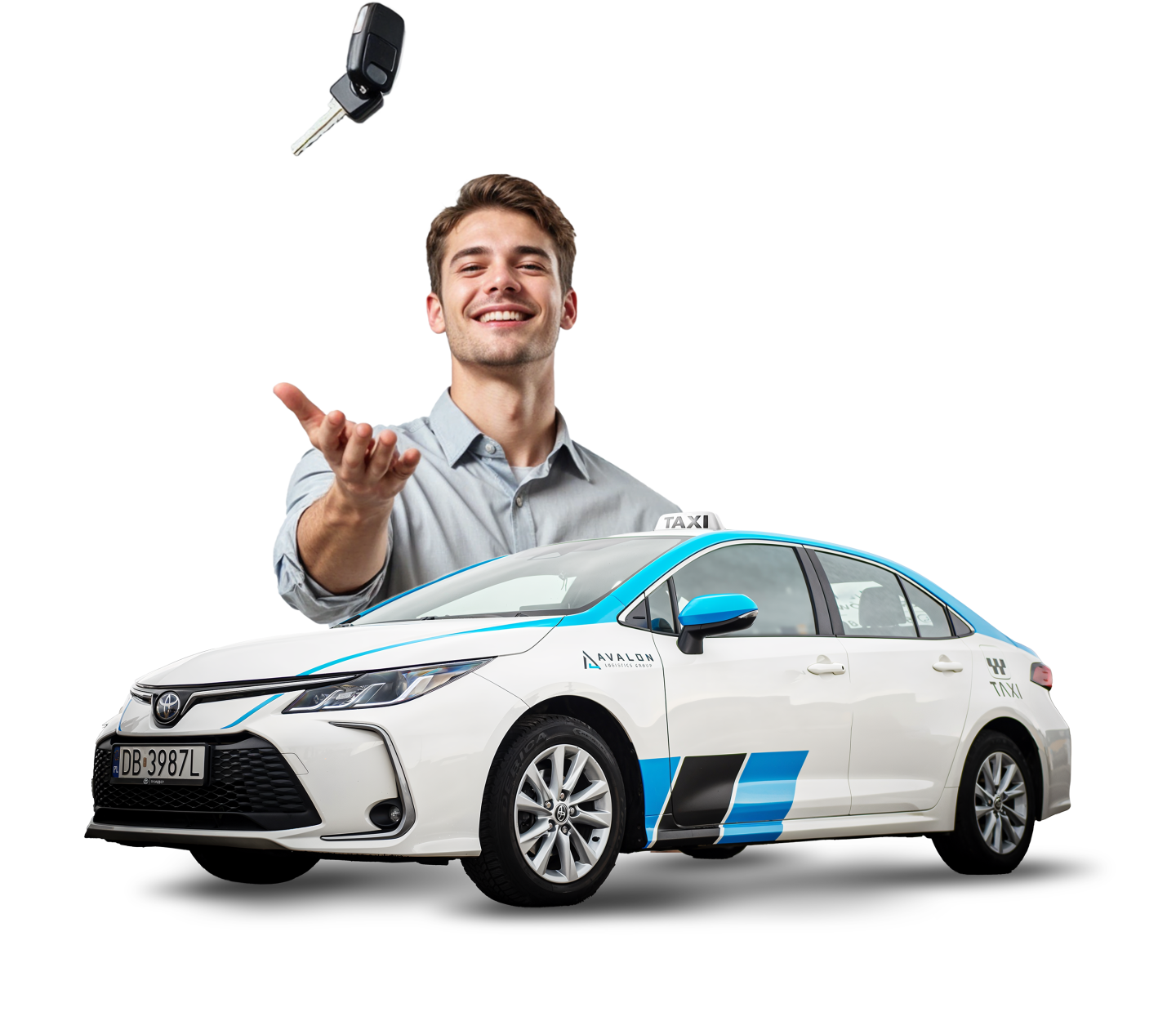
What does working with your own car involve?
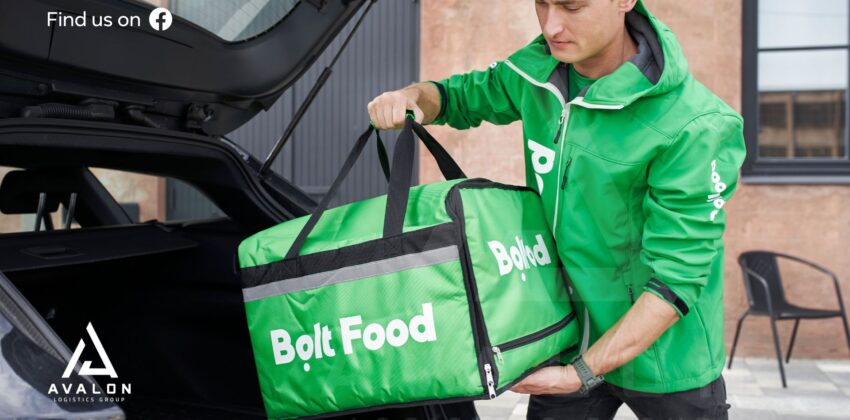
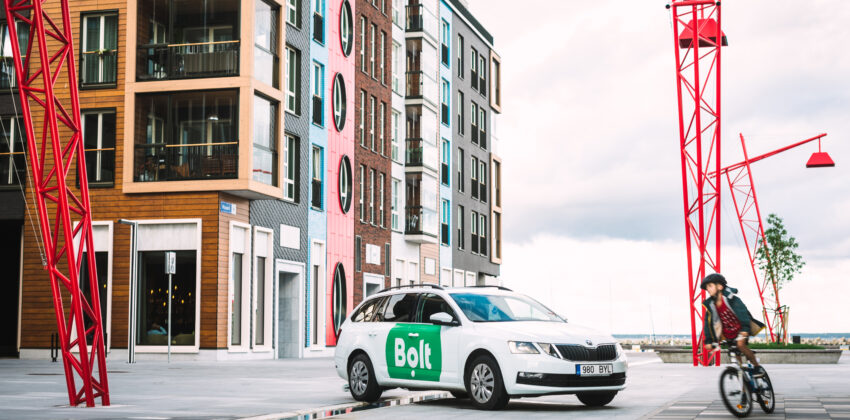
The sentence: ‘Work with your own car’ usually means making rides on apps like Uber, Bolt, and Freenow whenever you have the time and desire. You can drive occasionally or full-time—the choice is yours.
If you’re interested in working with your own car, the biggest advantage is that you drive a vehicle you know, not a “random fleet car.” Additionally, you can operate on several apps simultaneously, which often means more opportunities for orders.

Requirements: driver and car
Let’s be practical: to get into this field and learn more about it, you need to take care of the formalities and ensure your car meets certain requirements. Usually, things like the model year, technical condition, and keeping the car clean and well-maintained matter.
Does the car have to be yours?
Not always. In many cases, you can drive a family member’s car, but the key is to have the vehicle documents and the owner’s permission with you. It’s a good option if you want to start quickly and there’s a car sitting unused at home.
And if I don’t have a car?
It all depends on the market and demand. Working with your own car is often a condition for starting taxi courses, but sometimes it’s not. If you don’t have a car, you can consider renting a car adapted for work—this way, you can start without a big upfront investment.
Your pace, your hours—how to set up working with your own car
In practice, working with your own car works best when you approach it as a small project: you set the days and hours, test different times (mornings, afternoons, weekends), and after a week you’ll clearly see what works best.
As a driver with your own car, you also have greater control over comfort and your “work style”—you can drive more if you want to earn a specific amount, or treat it as a relaxed side hustle. To make things easier, it’s worth tracking your mileage and basic costs (fuel, car wash, service) from the start—this way, you’ll quickly set a realistic goal and pace.

How to start step by step (without chaos)
Good news: starting out doesn’t have to mean weeks of running around offices. Most often, it looks like this:
- You sign up and provide basic information about yourself and your car.
- Your documents and vehicle requirements are verified.
- You get help activating and setting up accounts in the apps.
- You hit the road and work during your chosen hours.
In practice, it helps a lot if the company guides you “from A to Z”—especially at the start, when everything is new.

Main job or side job?
This is one of the biggest advantages: you can treat this as a regular job or as extra income. See what usually distinguishes these two approaches:
| Option | What it looks like in practice | Who it suits |
|---|---|---|
| Main job | Regular hours, a daily schedule like in a standard job; focus on a stable routine | For people who want to base their household budget on driving and like being on the move |
| Side job | Evenings, weekends, “on the side” between other duties | For students, parents, full-time employees, or freelancers who want to earn extra |
Cooperation and support from Avalon Logistics Group
Working with your own car is a beneficial solution, and a quick and smooth start matters. Cooperation with Avalon Logistics Group primarily includes support with formalities, help setting up accounts in Uber, Bolt, and Freenow apps, and guiding you step by step so you’re not left alone. We also offer a simple cooperation process and support at every stage, which is especially important when you’re starting from scratch.
Want to check if your car qualifies and how quickly you can get started? Submit an application on the Avalon Logistics Group website and ask for details—and if you’re unsure, treat it as a test: a week of driving after hours often tells you more than a long analysis.

BECOME
A TAXI DRIVER
Work and earn right away!