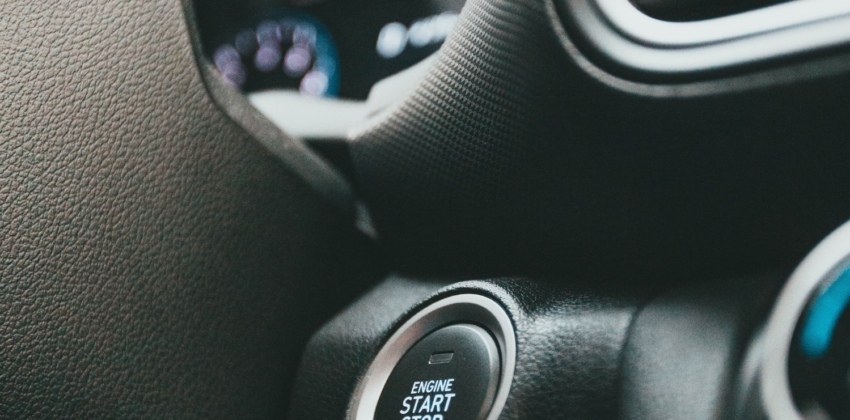
If you drive as a taxi driver (also on popular apps such as: Uber or Bolt), your car must meet additional requirements and undergo a dedicated taxi inspection at a Vehicle Inspection Station. During this inspection, items such as TAXI markings, the roof lamp (“sign”), taximeter certification, and all required equipment are checked. Neglect can result in the registration certificate being revoked and a fine, and in practice – being unable to work for several days.

ZOSTAŃ KIEROWCĄ TAXI
Praca i zarobki od zaraz!

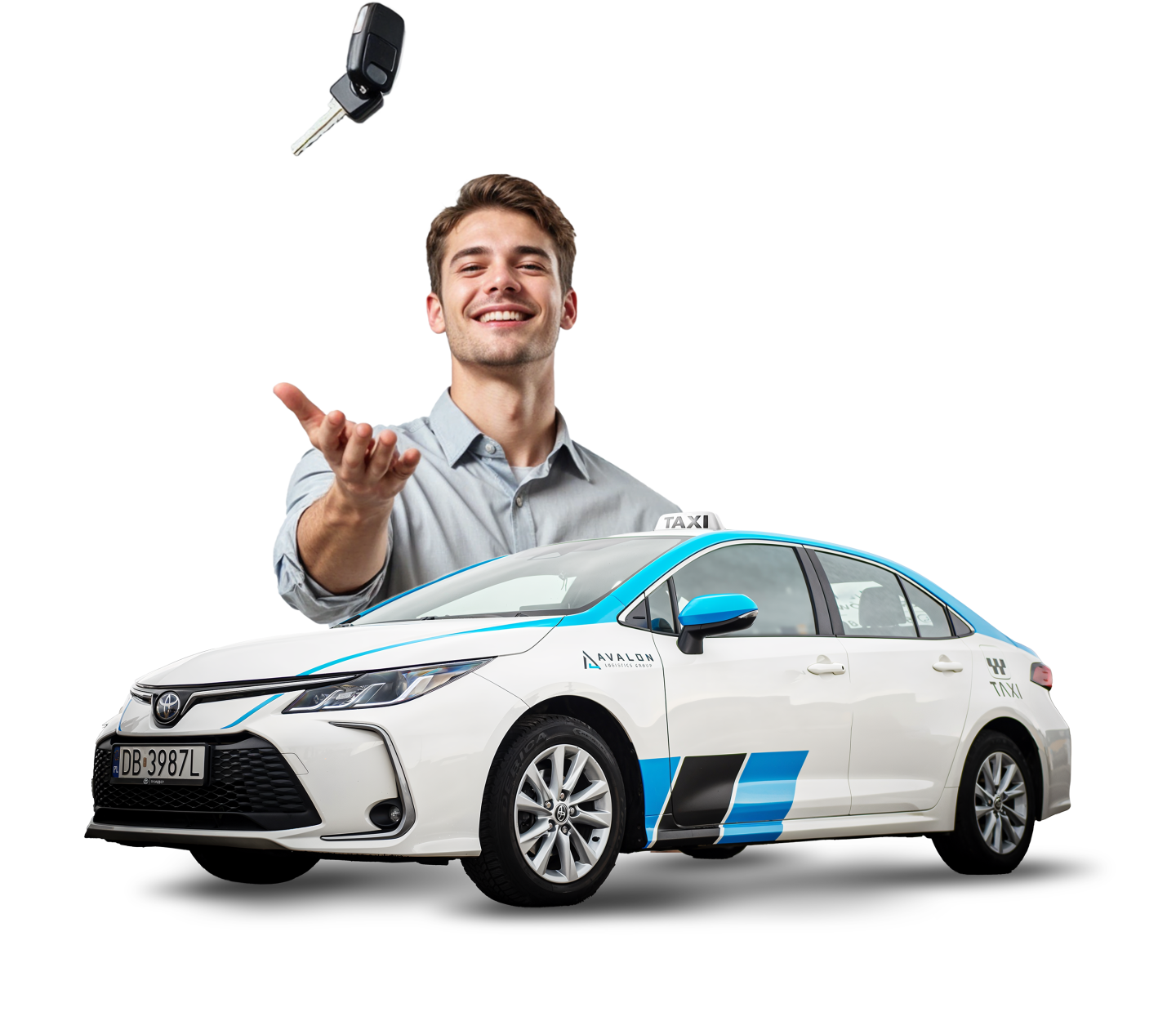
In the autumn, it’s worth sorting out all the paperwork: more frequent checks in city centers and night slots increase the risk of a “spot check” on the street, and SKP appointments fill up quickly. Below is a practical guide: what a taxi must have, how to prepare your car for a taxi inspection, how the “taxi sign” differs from app markings, and the most common mistakes that ruin the inspection result.
Mandatory Taxi Equipment – List with Explanations
The following items are checked during the taxi inspection and police road checks. Missing them is the easiest way to fail.
- Fire extinguisher, first aid kit, warning triangle, and spare wheel: standard safety kit. Note: some cars do not come with a full-size spare from the factory – a space-saver wheel or repair kit is acceptable and often approved at SKP.
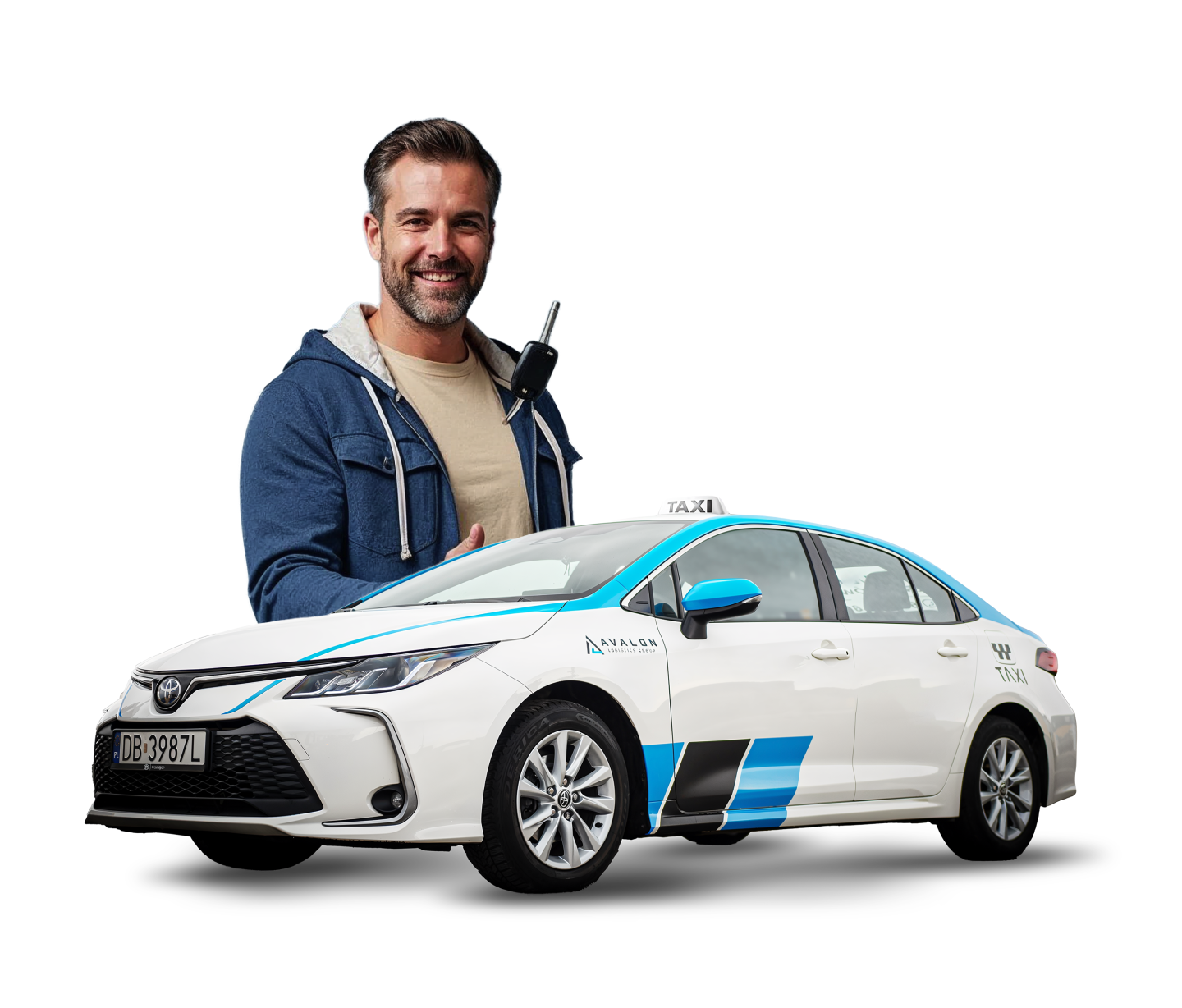
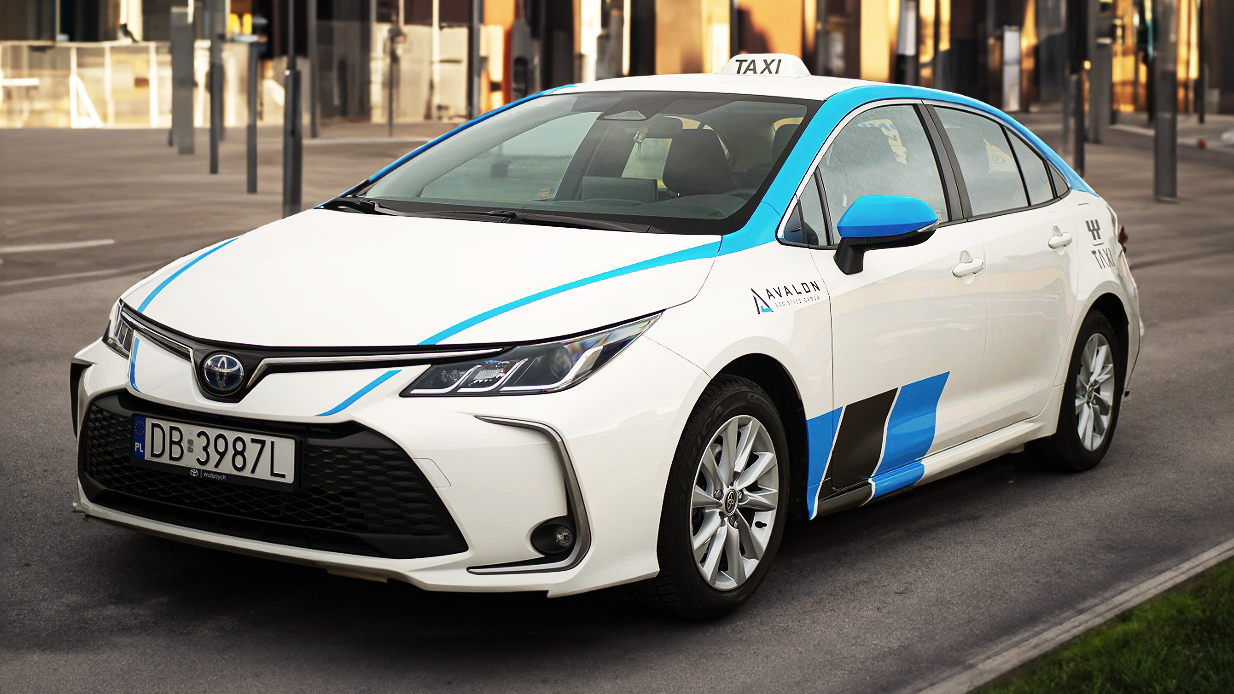
- TAXI roof lamp (“taxi sign”): mandatory, illuminated, centrally mounted on the roof. During the inspection, its presence and working condition are verified.
- External markings: TAXI lettering, corporate stickers, side number, fare chart and – locally – city emblem/logo as per local regulations. Additional info around the lamp (e.g., phone number or corporate details) is allowed if the municipality rules permit – correct markings are required for a positive inspection.
- Taximeter and (if required) cash register: having and certifying a taximeter is mandatory, while details regarding the cash register and sales documentation depend on local law and the settlement model – check current local regulations.
Additionally, the vehicle itself must structurally meet taxi requirements: at least two passenger seats and two pairs of doors – this facilitates safe boarding and exiting; the trunk must allow transport of luggage.
Taxi Sign: Rules, Installation and Uber/Bolt
- What it is: an illuminated roof lamp with the TAXI inscription – the key identifying feature of a taxi. It must be working and visible; both its presence and function are checked during the taxi inspection.
- Installation and orientation: the lamp should be mounted centrally so the TAXI sign is readable from both the driving and rear directions. Practical industry advice suggests the inscription should be visible both towards the hood and the trunk.
- Where to get it: available at automotive stores or online; brick-and-mortar shops are often more expensive but you get the lamp immediately – which matters if you’re rushing for your SKP date.
- “Uber sign” and “Bolt sign”: if you drive in the taxi category on apps, you are subject to taxi requirements – that is, a roof TAXI lamp and local markings in line with regulations. App stickers on the windshield do not replace the taxi sign or markings required by the city.
Note: details of sticker color, side numbering, and fare chart placement can differ between municipalities – always check local guidelines before inspection.

ZOSTAŃ
KIEROWCĄ TAXI
Praca i zarobki od zaraz!


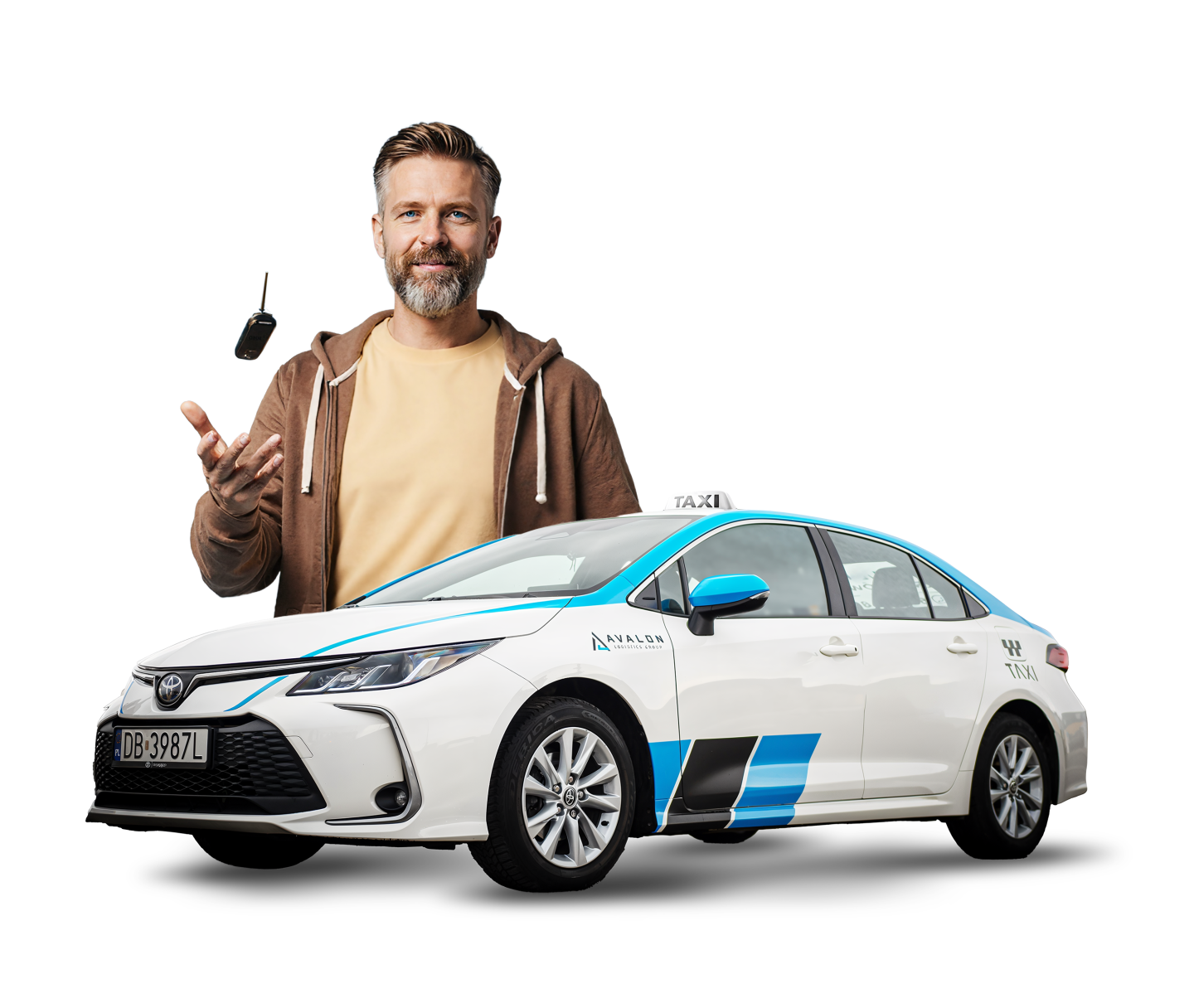
Taxi Inspection: What Is Checked and How to Prepare
The taxi inspection at SKO – Vehicle Inspection Station is more extensive than a standard periodic check. Keep this in mind to prepare for the inspection according to specific rules. The inspector checks, among others:
- certification and operation of the taximeter,
- presence and condition of the TAXI lamp,
- completeness and condition of required equipment (fire extinguisher, first aid kit, triangle, spare/repair kit),
- marking compliance with local regulations (stickers, side number, fare chart, possible emblems).
Consequences of neglect: lack of a valid taxi inspection can result in a fine, confiscation of the registration certificate, and a driving ban – which means loss of income until you fix the issues and revisit SKP. How to prepare (step by step):
- Check the TAXI lamp: it lights up, is stably mounted, cable undamaged.
- Verify the taximeter: current certification, no display errors, correct rates.
- Complete the equipment: fire extinguisher within the validity date, first aid kit, triangle; space-saver wheel or repair kit/multi-piece set – according to the car’s equipment.
- Markings: side number, fare chart, stickers – according to municipal guidelines; allowable extras at the lamp (e.g., phone number) only within local rules.
- Documents: registration certificate, taximeter certification, liability policy.
Markings and Decommissioning: Pricing, Stickers, Taximeter, Cash Register
- Pricing and stickers: the vehicle must be clearly identifiable as a taxi and assigned to a corporation/city (side number, crest, phone number). This is both an organizational and technical inspection requirement at the Vehicle Inspection Station (SKP).
- Taximeter and fiscal cash register: the question “do I need a taximeter and cash register?” comes up regularly. Answer: the taximeter is subject to inspection and certification during the taxi review; fiscalization rules depend on current regulations and settlement model – check current guidelines and consult your corporation/partner for details.
Tip: even if most rides are through an app, the taxi inspection evaluates the vehicle as a classic taxi – be fully prepared.
Most common taxi inspection mistakes and how to avoid them
- “Loose” taxi light or no power supply to the TAXI lamp – inspection will consider the lamp faulty; check wiring and mounting in advance.
- Incomplete first aid kit/expired fire extinguisher – that’s a quick “fail”.
- DIY markings (incorrect sticker placement, missing side number/pricing) – in some municipalities, inspectors check this specifically.
- Lack of current certification for the taximeter – inspection halted until corrected.
- Car with insufficient doors or too little rear access – structural requirements for taxis are clearly defined.
Quick Comparison: What is “Required” vs What is “Recommended”
| Item | Status | Why? |
|---|---|---|
| Fire extinguisher, first aid kit, warning triangle, spare tire/spare kit/repair kit | Mandatory | Safety and SKP requirement |
| TAXI lamp (taxi roof light) | Mandatory | Taxi identification, SKP inspection |
| Markings (side number, price list, stickers, crest – as required by municipality) | Mandatory | Service clarity, local regulations |
| Taximeter (with certification) | Mandatory (scope as per regulations) | Billing and SKP control |
| Luggage protector mat, receipt organizer | Recommended | Orderliness and faster trips |
| Additional labeling near lamp (corp. phone number) | Permitted (locally) | Contact and recognition |
Summary
Well-prepared markings, a working “taxi roof light”, a complete set of equipment, and a valid taximeter are half the success – the other half is knowing the local guidelines, as those are the ones the inspector follows. This way, the taxi inspection at the SKP becomes a formality rather than a lottery. If you’d prefer to focus on driving and leave the paperwork and settlements to professionals, consider partnering with Avalon Logistics Group. The partner will assist with local requirements, inspections, settlements, and a quick start on Uber/Bolt in the taxi category – so you can meet the requirements worry-free and start earning from day one.

ZOSTAŃ
KIEROWCĄ TAXI
Praca i zarobki od zaraz!