You know the drill: you start your car, drive off and suddenly… milk on the windshield. Foggy car windows aren’t just annoying—they’re a real safety issue, because your visibility drops to zero. In this guide, I explain why car windows fog up and what you can do right away to clear your view of the road.

BECOME
A TAXI DRIVER
Work and earn right away!



Why do car windows fog up?
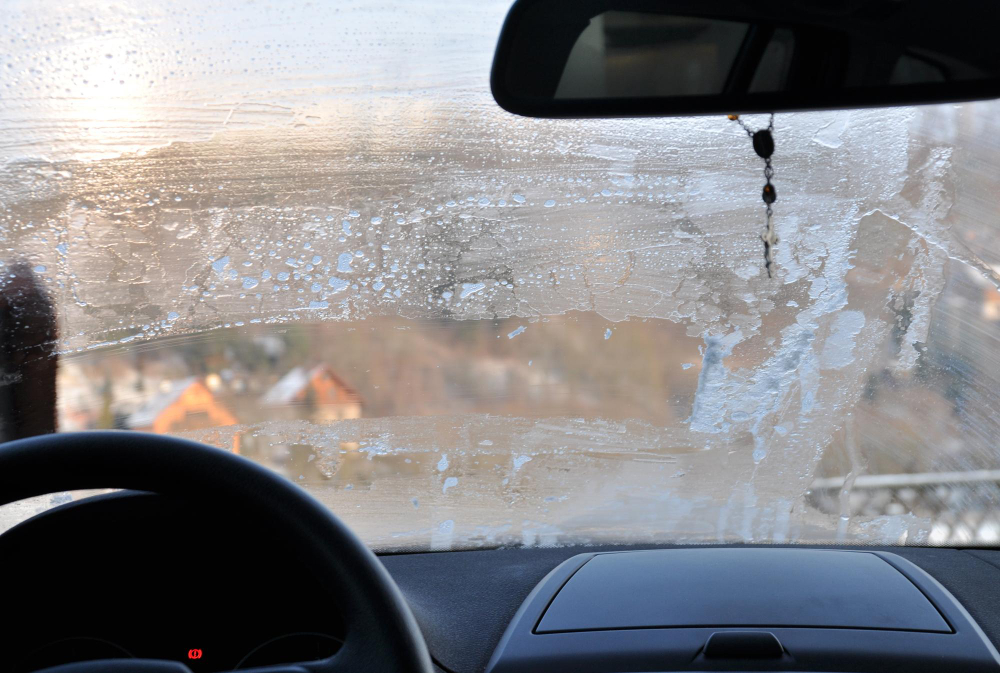
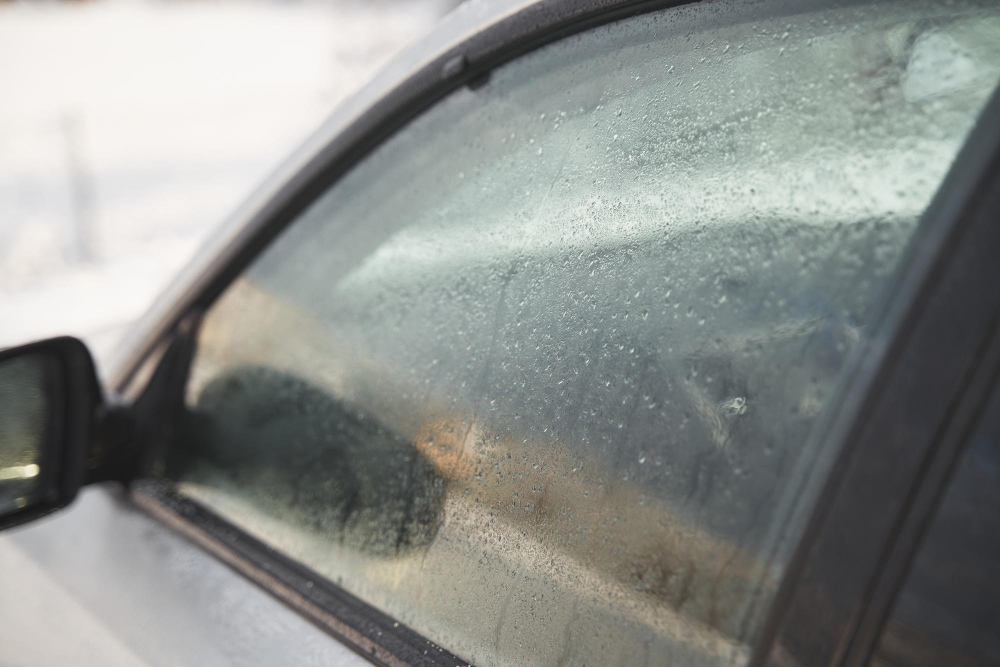
Fogging is basic physics: warm, humid air inside the car meets the cold glass and releases moisture in the form of tiny droplets. The moisture usually comes from wet clothes, shoes, floor mats, and passengers’ breath. If it happens often, you almost always have “excess water” in the car that has nowhere to go.
The most common reasons why car windows fog up:
- wet floor mats or carpeting after rain/snow
- clogged cowl drains (water accumulates and moisture returns to the cabin)
- clogged cabin air filter
- driving with the air circulation on recirculate constantly
- faulty air conditioning (it doesn’t dry out the air)
- leaks in the doors or trunk
How to defog car windows in 2 minutes (the “right now” method)
When your windows fog up while driving, you need to react fast. This approach works in most cars, regardless of brand.
- Turn the airflow on the windshield (defrost/defog mode)
- Set the fan speed high (at least 3/4 of the scale)
- Turn off recirculation mode (use fresh outside air)
- Turn on the air conditioning (even in winter) – it dries the air
- Set the temperature to warm
This is the most reliable answer to how to defog car windows quickly, without overcomplicating things.

Foggy car windows: warm or cold airflow?
This is one of the most common questions, because intuition says “go cold, it’ll dry it out.” In practice, it works differently.
The rule is simple:
- Warm airflow raises the temperature of the glass faster, so the fog disappears quicker
- Cold airflow can actually make things worse temporarily, because it doesn’t heat up the glass and moisture keeps condensing
- The best effect comes from: warm airflow + AC + fresh air
So: foggy car windows, warm or cold airflow? Warm usually wins, and the “secret ingredient” is air conditioning, because it dries out the air.
How to Deal with Foggy Car Windows: 5 Everyday Tips That Make a Difference
If your car windows fog up daily, take it as a sign: the cabin is too humid or the ventilation isn’t working efficiently.
- Replace the cabin filter (often the cheapest fix)
- Dry out the floor mats and check for standing water underneath
- Clean the inside of the windows (a greasy film traps moisture like a sponge)
- Don’t always drive with the air recirculation on
- Use the AC regularly, even in winter (for dehumidifying)
When Fogging Doesn’t Go Away: Quick Diagnostics
If after 3–5 minutes of following the correct procedure your windows are still seriously fogged up, something’s wrong. Instead of struggling for a week, do a quick check.
- Does the car smell musty? That’s a sign of moisture in the upholstery
- Do the windows fog up even with few passengers?
- Is the passenger floor mat damp (sometimes it’s the heater core)
- Is the airflow weak despite a high setting (cabin filter issue)
Avalon Logistics – a Reliable Fleet Partner
If you’re just starting your driving adventure or returning to regular driving after a break, it’s a good idea to start with a proven fleet partner. That’s exactly why it’s worth collaborating with Avalon Logistics — solid support every day: predictable rules, organized processes, and a fleet that someone genuinely cares for. And if you’re already driving and have your own experience, treat this guide as a set of simple tips that can restore visibility in minutes and help you avoid stress on the road, especially in winter and rain.
Summary
Fogged-up windows in a car are a problem you can solve in a minute or two if you do the right things: fresh air, AC, and warm air directed at the windshield. If the problem keeps coming back, look for moisture inside and check your cabin filter.

BECOME A TAXI DRIVER
Work and earn right away!