The magic of small details that change results
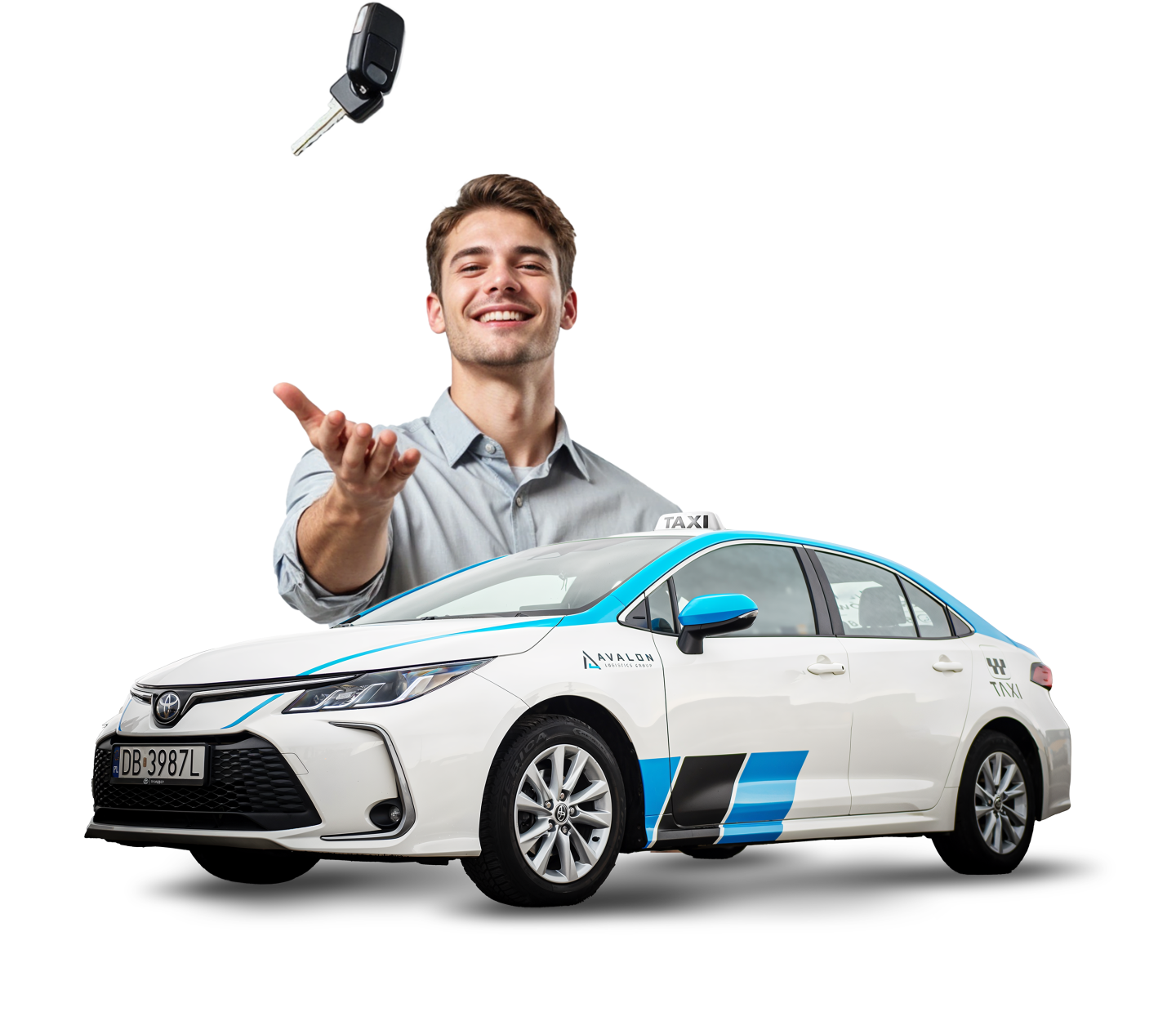
Sometimes it’s not the words, but the small gestures that determine how we are perceived. The psychology of a short course in practice shows that microgestures—small movements, facial expressions, or tone of voice—can increase tips in restaurants, customer satisfaction, and even the chances of a successful sale. This short course is a proverbial cheat sheet of human behaviors—with ready-to-use scripts that you can immediately apply as an app-based taxi driver for Uber, Bolt, and Freenow.

BECOME
A TAXI DRIVER
Work and earn right away!
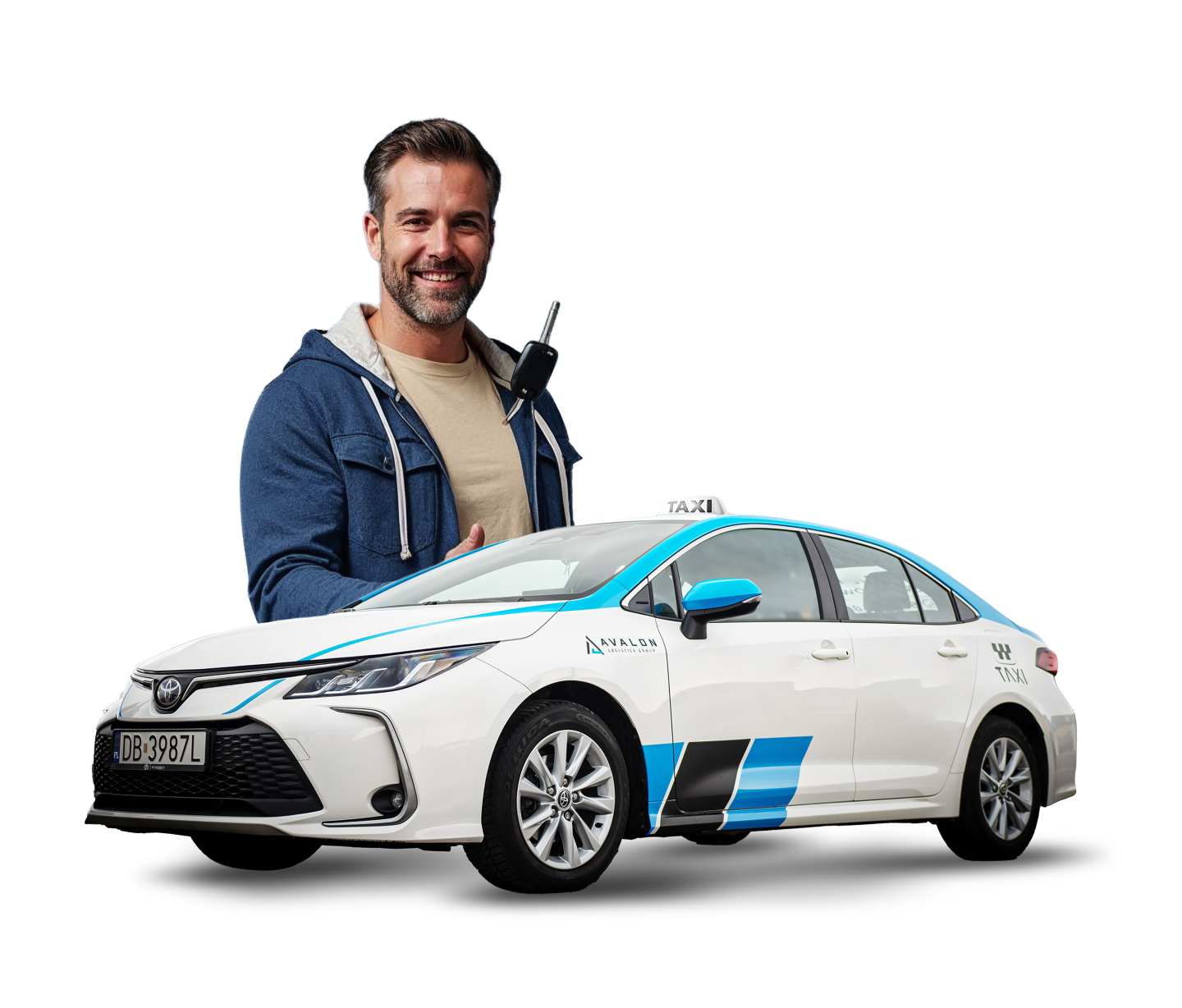
Short rides, big opportunity
Short rides (3–12 minutes) make up most of a day in the city. Paradoxical? It’s actually during these trips that it’s easiest to make an impression with a few moves: save the passenger some minutes, provide predictability, calm the chaos. Below we have prepared just for you 9 micro‑gestures that boost ratings and tips effortlessly, as well as ready-made scripts to copy, so you know how best to handle taxi rides, gain high ratings, and become a leader among drivers working at Avalon Logistics, or in the whole city!
9 micro‑gestures that make a difference. Psychology in practice
- Announcing the pickup time within 5 seconds
– What you do: after accepting the ride, you send a short message with the ETA.
– Script: “Good morning! I’ll arrive in about 3–4 minutes. I’ll pull up to [entrance/shelter].”
– Why it works: the passenger stops checking the map every moment, stress goes down. - Offer a sheltered pickup point
– What you do: gently suggest waiting under a shelter/at a sheltered entrance.
– Script: “I’ll pull up to the shelter at entrance B – it’ll be more comfortable and convenient.”
– Why it works: in rain or cold this is real help for the passenger in 60 seconds, which definitely makes an impression. - Micro‑confirmation of the route
– What you do: one simple suggestion before setting off.
– Script: “We’ll take the shortest route via [street X], ok?”
– Why it works: the customer feels in control; this means fewer corrections “after the fact.” - Quieter/louder – passenger’s choice
– What you do: ask about audio/AC preferences.
– Script: “Do you prefer quiet or some background radio? I can also lower the airflow.”
– Why it works: ten seconds of attention that often comes back to you as a tip. - Smooth start from the curb
– What you do: smooth departure, no hard braking before the first light.
– Script (in your mind): “Smooth > fast.”
– Why it works: no jerks = no discomfort, better ratings. - Minimal shortcut without risk
– What you do: one reliable shortcut you know from experience, no weaving.
– Script: “I can save 1–2 min via [street Y], no traffic – would that be OK for you?”
– Why it works: it’s predictable + consulted. - Front & dry drop-off
– What you do: park so the passenger’s door opens onto dry ground and not a puddle.
– Script: “I’ll stop right by the shelter, so it’s comfortable to get out.”
– Why it works: the last 10 meters are the most memorable. - Farewell with a micro‑smile
– What you do: one sentence and the door smoothly opened with the central button.
– Script: “Thank you, have a great day! If everything was OK, I’d appreciate your feedback.”
– Why it works: polite, non-intrusive reminder about the rating. - “Plan B” when the lights are delayed
– What you do: communicate the short reason, offer an alternative.
– Script: “This light takes ~90 s, then we’ll go smoothly. I’ll let you know if we can move out earlier.”
– Why it works: instead of silence, you create a sense of care for the passenger; you set the pace.
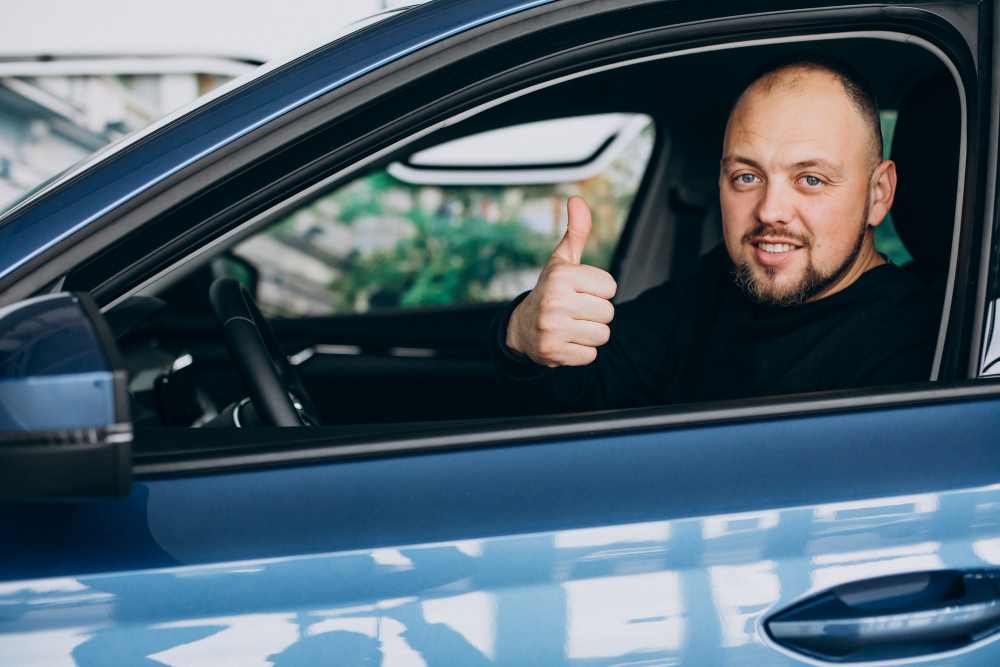
Psychology in practice – body language for drivers
| Situation | What to say | Which microgesture |
|---|---|---|
| Greeting | “Great to see you!” | Smile and eye contact |
| Conversation | “I understand, sure – I’ll take care of it right away.” | Nod |
| Ending | “Thank you, it was great working together.” | Calm tone and raised eyebrows |
How to increase your tips in 9 simple steps
1. Eye contact for 2 seconds
Maintaining eye contact for 1–2 seconds is enough for the client to feel noticed. Most people avoid this moment because they fear it’ll seem intrusive. In reality, it’s a subtle signal of trust and engagement.
Ready script:
“Great to see you! How was your day?” – with a smile and calm gaze.
2. Facial expressions that say “I like you”
A slight raise of the eyebrows, a half-smile, and a calm face—this trio, according to psychological studies, increases likability. Such a microgesture works faster than any words.
3. Body language – open hands
Open palms are a universal signal of honesty. In influence psychology, it’s often said that hands are the “second mouth” of communication. Avoid crossing them and instead make open gestures, for example when explaining something or talking during a stop at the lights.

4. Repeating the name
People like hearing their own name – it’s the simplest way to build rapport. Using it once at the beginning and once at the end of a conversation can actually increase your tip or service rating.
5. Smiling at the right moment
Psychology in practice shows that it’s not about smiling all the time, but rather in the moment of making eye contact. If accompanied by a slight nod, the friendliness effect doubles.
6. Matching the passenger’s tone and mood
Every passenger is different – one wants to chat, another prefers silence. Being able to adjust your tone of voice and energy level to the passenger’s mood is a key microgesture in a taxi driver’s job. If the passenger is pensive or tired, it’s better to stay calm and keep conversation to a minimum. If they’re talkative, a smile and some light conversation goes a long way.
7. Thank you with a grateful tone
Instead of a simple “thank you,” say:
“Thank you for the ride, I wish you a peaceful day. I hope the journey was comfortable.”
This way you build a relationship and show the passenger that their comfort matters to you, not just finishing the trip.
8. Polite gesture instead of touch
In a taxi, the passenger’s comfort and boundaries are what count. Instead of physical contact, use gestures that show respect – a gentle smile, a nod, or a calm tone of voice when returning change or ending the ride.
Example:
“Thank you for the ride, I wish you a peaceful day. I hope the ride was comfortable.”
This is a small but very effective way to leave a positive impression.
9. A positive end to the ride
The last moments of contact with the passenger are what stick in their memory. It’s worth using a friendly tone and warm words:
“Thank you, see you – have a great trip!”
Such a gesture and tone make the passenger leave the car with a good impression and a greater desire to return or leave a tip.
Summary: microgestures that earn more
Small things make a big difference – in tips, ratings, and relationships. Psychology in practice gives us useful tools that cost nothing and bring immediate results. If you work with people – in hospitality, sales, or services – these microgestures are your secret bonus.
Try just one of them today. See how your communication – and earnings – change.

BECOME A TAXI DRIVER
Work and earn right away!