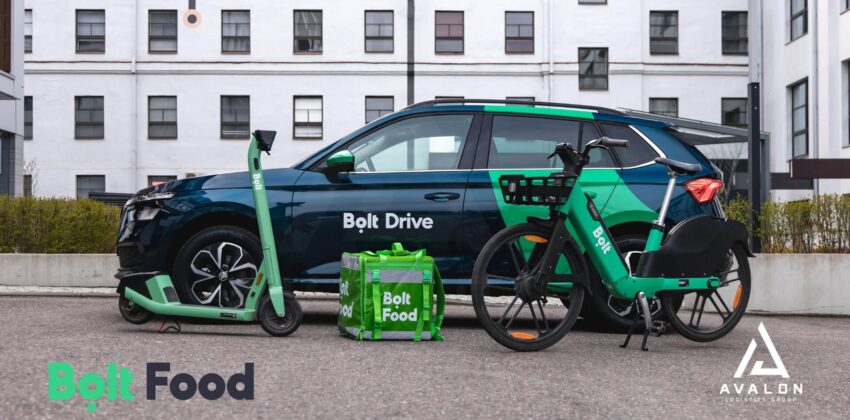
The passenger transport market in Poland is becoming increasingly regulated, and new rules for taxi drivers are intended to improve passenger safety and standardize driver working conditions. For drivers, this mainly means greater attention to formalities. It is no longer enough just to have a car and a willingness to work-current documents, proper health checks, data compliance, and meeting all legal requirements are increasingly important. This matters both for people working independently and for drivers working with transport companies that coordinate the entire process.
For companies like Avalon Logistics, this is an important moment because it means an increased focus on documents, driver verification, and the formal condition of vehicles.

BECOME A TAXI DRIVER
Work and earn right away!



What is changing?
The most important change involves more thorough verification of drivers providing passenger transport, especially in the taxi model and within services operated by apps like Uber, Bolt , or Freenow. Planned solutions include a requirement for non-EU and non-EFTA nationals to provide an additional certificate of no criminal record from the country of origin, along with an approved translation. The proposal also expands the list of offenses that can disqualify someone from working as a driver and introduces a nationwide taxi driver identification number.
It is worth learning about the most important changes now to avoid problems and prepare calmly for the new requirements. The sooner drivers and companies organize their documents, the easier it will be to go through the process of implementing the new regulations without stress and unnecessary interruptions to work. This is a good time to check whether all formalities are up to date and if anything needs updating.
Who do the new requirements apply to?
The changes are relevant for taxi drivers, those providing ride-hailing services through apps, and business operators acting as intermediaries in such services. This means that responsibility for the accuracy of documents will rest not just with the driver, but also with the company or partner managing ride settlements. This is especially important in companies working with many drivers that must ensure formal compliance.

Documents and vehicle
The new rules for taxi drivers also put greater emphasis on the vehicle itself used for passenger transport. The car must have an additional technical inspection, a special “TAXI” note in the registration certificate, and insurance (OC) confirming it is used as a taxi. These elements must be attached to the license application, meaning less room for oversights and greater organizational order.
What does this mean?
For drivers, the key point is that without the complete set of documents, providing transport services may be difficult or legally risky. For transport companies, this means the need for regular file checks, monitoring the validity of driver authorizations, and ensuring data compliance. It’s best to see these changes not as a problem but as a way to organize the market and limit unfair competition.

Table of key changes
| Area | What’s changing | Why it’s important |
|---|---|---|
| Drivers outside the EU and EFTA | Additional certificate of no criminal record from country of origin | Greater control over driver credibility |
| Driver identification | Planned nationwide taxi identification | Easier verification during inspections |
| Vehicle | Additional technical inspection and “TAXI” marking | Confirms the car meets the requirements |
| Company documents | Improved verification before allowing work | Reduces errors and penalties |
How to prepare now
The safest course is to start by reviewing all drivers’ and vehicles’ documents before the changes become mandatory. It’s also a good practice to create a checklist: driving license, criminal record, medical checks, license, vehicle inspection, and insurance. Companies working with many drivers should introduce a simple system for checking document expiry dates to avoid downtime and formal issues.
Summary
The new regulations in passenger transport are moving towards greater transparency, safety, and formal control of the market. For drivers and companies, this is a signal that it is worth organizing documentation in advance, as this will be the key to working smoothly in the coming months.
If you manage a fleet or work as a driver, check your full set of documents now and get ready for the new requirements.

BECOME
A TAXI DRIVER
Work and earn right away!