From driver to driver – how to get more out of every shift
You don’t need “magic” to end the month with lower costs, fewer breakdowns, and better ratings. It just takes a few repeatable habits, some operational tricks, and choosing the right car for the city. Below you’ll find a simple, practical guide for Uber, Bolt, and Freenow drivers on how to drive an automatic – with no theory, just things that actually make a real difference: from warming up the car and driving style, to planning refueling, to organizing shifts and choosing an economical fleet.
Why now? Fall/winter = more driving after dark, cold, rain, and salt. This is when bad habits cost the most (fuel, brakes, tires), and good ones give you an edge and peace of mind at work.

BECOME A TAXI DRIVER
Work and earn right away!


Habits that cut costs (and extend your car’s life)
Below you’ll find a set of simple behaviors you can start implementing on your very next shift:
- “In-motion” warm-up: start driving gently 30–60 seconds after starting up, no high revs for the first 5–10 minutes. The engine and gearbox reach optimal conditions faster, fuel consumption drops.
- “Smooth, not fast” driving: avoid hard braking/gun-it accelerations. It’s the biggest enemy of brakes, tires, and fuel consumption. Smooth acceleration and anticipatory braking = less time in the shop.
- Tires “do the job”: keep tire pressure as recommended by the manufacturer; 0.3–0.4 bar too little can eat up several percent of fuel and accelerate tread wear.
- Climate and windows: heat the interior sensibly. In hybrids, heating can “wake up” the engine – it’s worth using heated seats/quick defog. Fast visibility = less stress, fewer malfunctions.
- Refuel “smart”: don’t run it down to zero. For LPG cars, regularly top up the gasoline too (for lubrication, cold starts); this helps you avoid pump and injector problems.
- The car’s “quiet cues”: hear a squeak, knock, or feel pulling? React right away. In the suspension, every delay costs double.
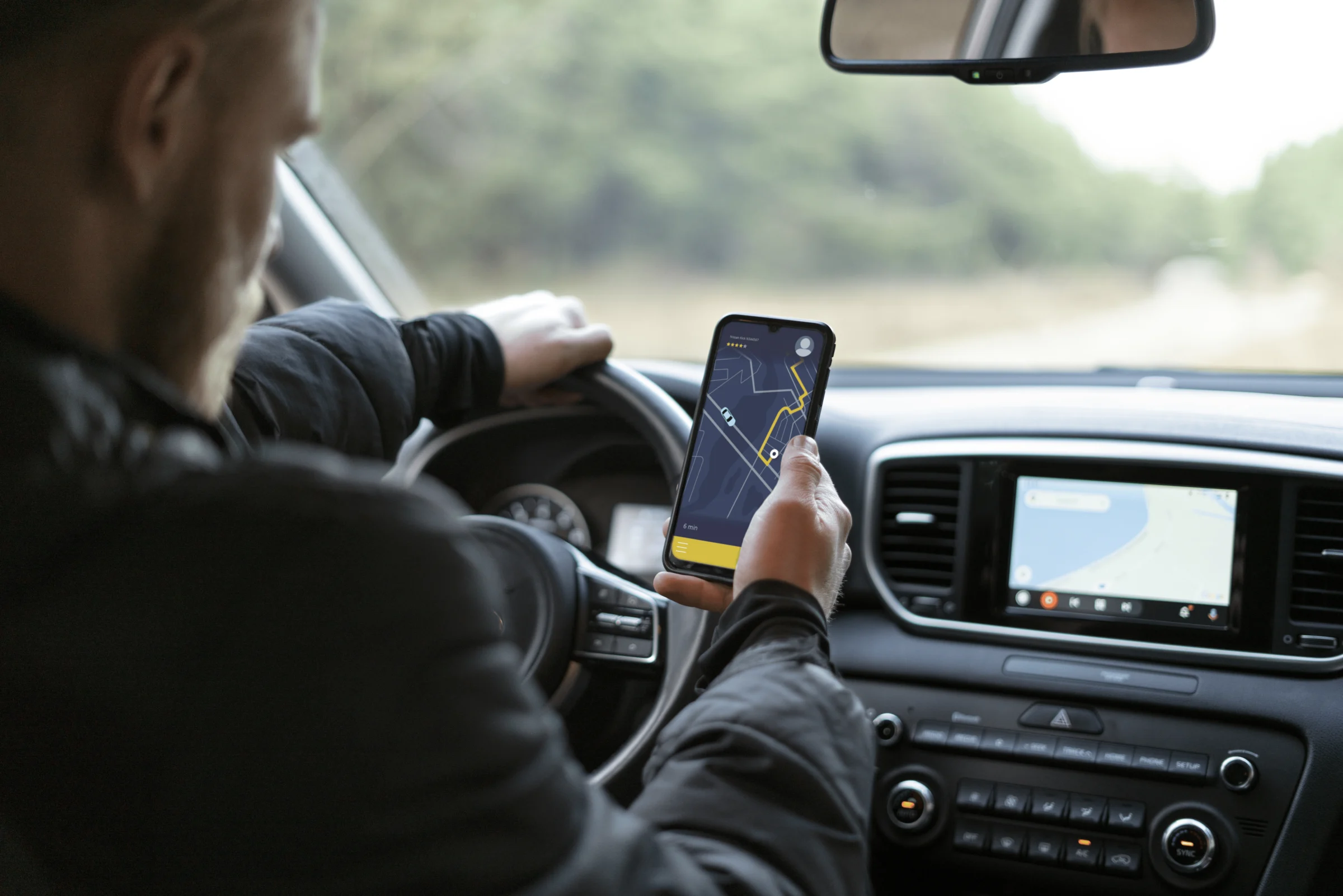
Pro tip: set up traffic previews in your navigation (Google/Waze) and “anticipate” green waves. This kills the need for hard braking and shortens the time to reach your pickup.
Hybrid, petrol, LPG: what, when, and how (for real savings)
Drive a lot in the city? Hybrid and/or LPG are the queens of low-cost operations. But only if you drive and service smart.
- Hybrid in the city
- Style: short, gentle accelerations up to 50–60 km/h, anticipatory throttle release (energy recuperation). Brakes last longer, fuel consumption visibly drops.
- Service: oil and filters on schedule; keep cooling channels clean (cabin filter/battery vents – in some models).
- LPG (in a hybrid/petrol)
- Quality of installation + tuning = the holy trinity. A good system installer, fresh gas filters, and periodic injector adjustment guarantee low costs and no surprise “hits” to your wallet after a year.
- Remember gasoline: cold starts and lubrication. Every now and then, drive a few–dozen km on petrol.
Approximate fuel costs/100 km (city; actual cost depends on style, weather, load – treat as a range):
- Hybrid petrol: 4.5–6.5 l/100 km
- Petrol (non-hybrid): 7–10 l/100 km
- LPG (well-tuned): 6–9 l LPG/100 km + approx. 0.3–1.0 l petrol/100 km The goal is not the “perfect number” but consistency. If week to week you stay in the same range – you’re winning.

Automatic gearbox designations: PRND and more
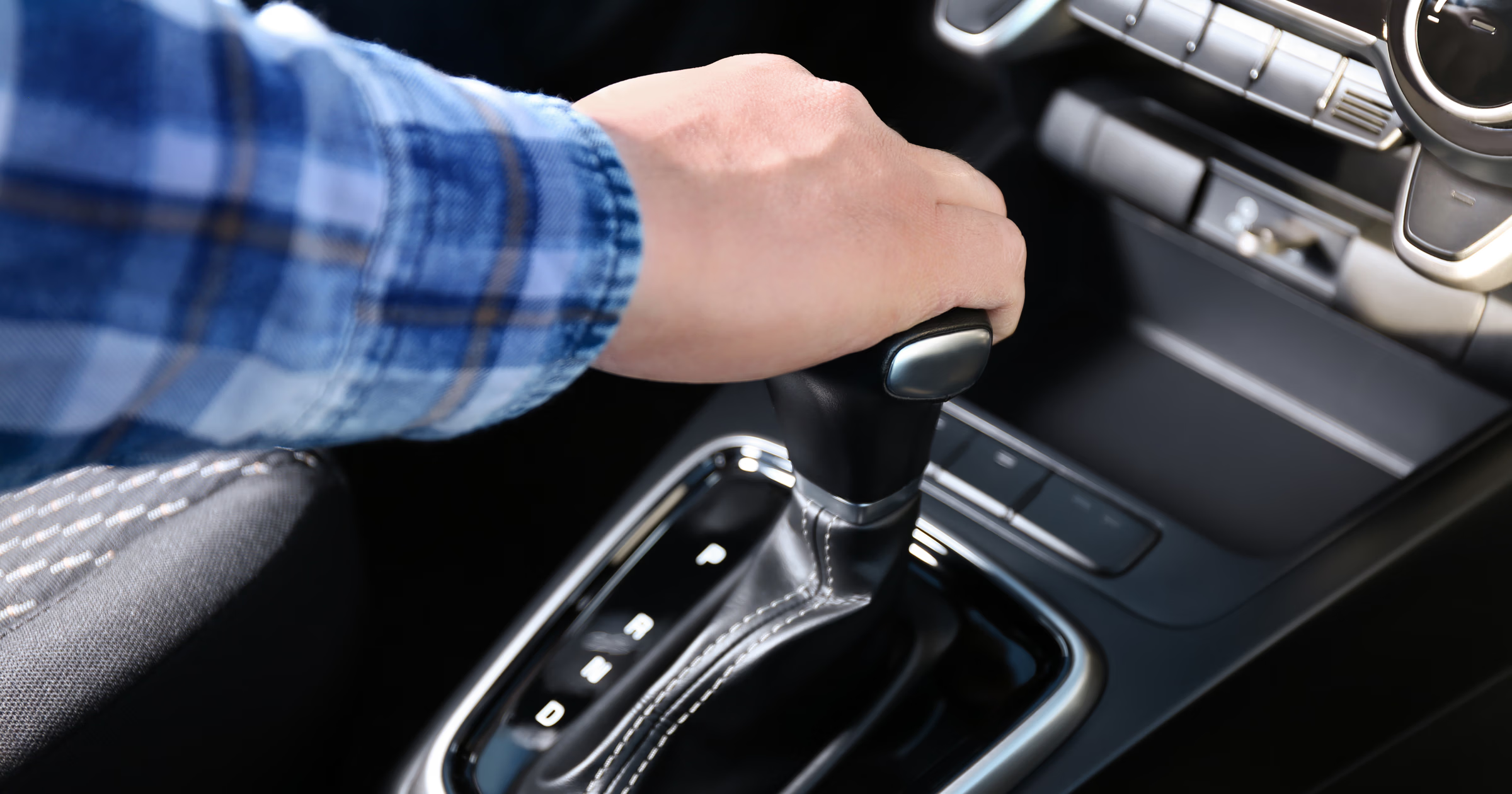
- P (Park) – mechanism lock after stopping and applying the brake, for parking and stationary situations.
- R (Reverse) – reverse gear only after the car comes to a complete stop; engage with the brake pedal pressed.
- N (Neutral) – neutral for short rolling/maneuvers or service; not for coasting in traffic and not for downhill driving.
- D (Drive) – standard forward driving, the transmission shifts gears automatically depending on load.
- Additional: S/Sport – delayed gear shifts and higher RPM; L/“1–3” – low ranges for steep descents or towing; winter W and +/- for sequential shifting.
How to drive off in an automatic step by step
- How to drive an automatic? Press the brake, start the engine, select D (or R for reversing), release the brake, and gently accelerate – the car will start moving without “releasing the clutch.”
- At traffic lights, keep the brake pressed while in D; for longer stops use P after a full stop and engage the parking brake.
- Start smoothly, without sudden acceleration – this protects the transmission and reduces fuel consumption.
How to change “gears” in an automatic
- In D mode, the transmission selects gear ratios automatically based on speed, RPM, and throttle input.
- Avoid switching P/R/N/D while rolling – make any mode change only after coming to a complete stop with the brake applied.
- Kickdown (pressing the gas pedal hard) triggers a downshift, useful for overtaking, but use it sensibly. This explains the best way to drive an automatic.
Economical car for app-based taxi driving
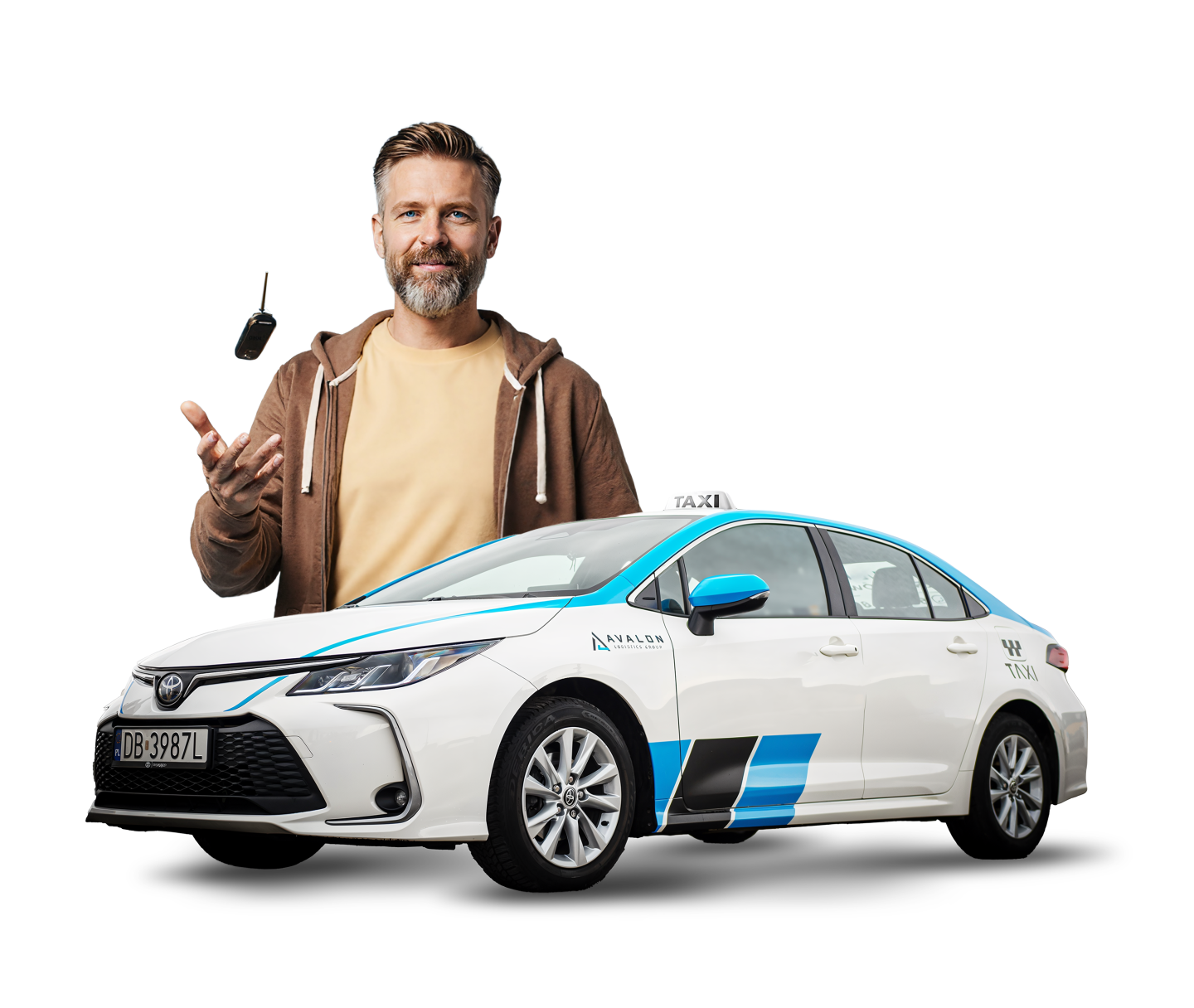
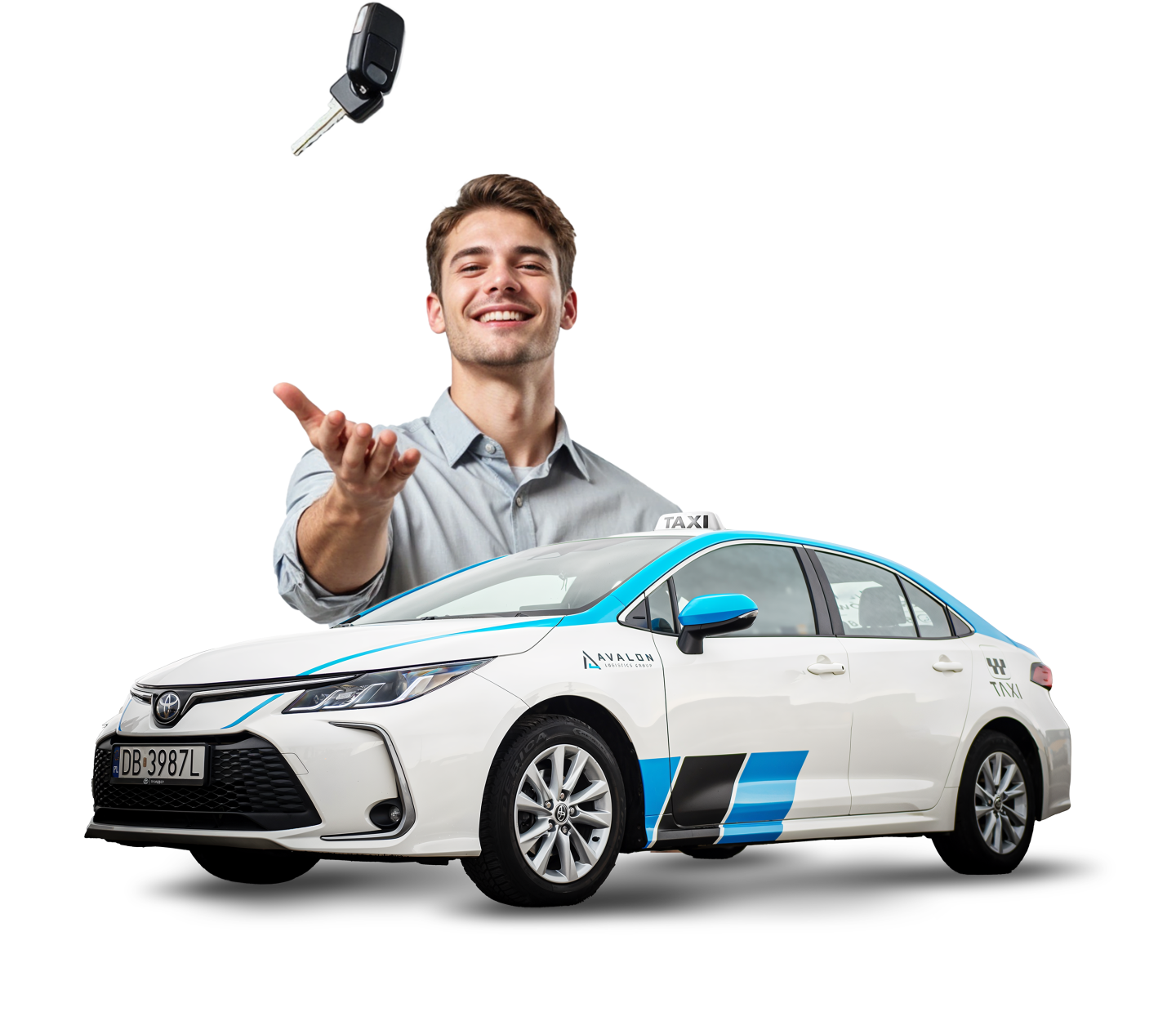
Why does a hybrid Toyota Corolla with LPG make sense? If you want to drive calmly and cheaply, without worrying about the total cost of ownership – consider renting from our fleet: economical, hybrid Toyota Corollas with professional LPG installation.
- Why it works:
- A hybrid is ideal for the city: start-stop in traffic jams and energy recovery when approaching lights make a difference.
- LPG cuts costs: with proper installation and service, fuel expenses drop from the very first month.
- App-ready comfort: automatic transmission, rear seat space, good soundproofing – passengers notice and rate you better.
- Service and billing in one: as a Certified App Partner (Uber, Bolt, FREE NOW), we combine billing and fleet partner – less paperwork, faster start, fixed costs.
- For whom:
- High city mileage, you drive daily or during “peak” times.
- You want “plug&drive”: a car ready to work, with no surprises under the hood or in the paperwork.
Want to check if this pays off on your routes? Give us your average weekly mileage – we’ll show you the cost difference compared to your current car.
Here’s a short guide: how to drive an automatic?
1. D position while stopped
- At traffic lights and in traffic jams, leave the lever in D and keep the brake pressed to prevent the car from “creeping”; frequently shifting D↔P or D↔N during short stops accelerates wear of transmission components.
- Avoid shifting to N at traffic lights – the transmission already minimizes loads, and N removes engine braking and doesn’t provide advantages in this scenario.
2. R Position When Maneuvering
- Engage R only after the car has come to a complete stop and with the brake pressed; switching D↔R “while rolling” risks damaging clutches and the gearbox.
- After finishing reversing, switch back to D only once the car is stationary; this is a key habit for prolonging the life of the transmission.
3. N Position – When It Makes Sense
- N is neutral for exceptional situations: short rolling, servicing, specific towing procedures; most automatics must not be towed for long distances without the manufacturer’s recommendations.
- Don’t use N for going downhill or “resting” at lights – it’s unsafe and not economical; keep it in D and on the brake.
4. P Position – After Finishing Driving
- P is for parking and locks the mechanism, so engage it only after coming to a full stop; switching to P while in motion, even slightly, can damage the lock.
- On slopes: keep the foot brake pressed → engage the parking brake → only then shift to P, so the car’s weight isn’t resting on the transmission’s locking pin and to avoid jolting when later disengaging P.
Practical Scenarios: How to Drive an Automatic
- Short lights/traffic jam: D + brake; do not shift to N/P unless necessary.
- Parking maneuvers: stop → R for reversing or D for moving forward; change direction only from a complete stop.
- Parking on level ground: stop → parking brake → P → turn off the engine.
- Parking on an incline: stop → firmly press the foot brake → engage the parking brake → gently release the foot brake so the car “sits” on the handbrake → P → turn off the engine.
Most Common Mistakes To Avoid – How To Drive an Automatic?
- Shifting D↔R without coming to a complete stop – high risk of damage.
- Engaging P while the car is still rolling – can break the lock mechanism.
- Using N at traffic lights or going downhill – no benefit and less safety.
In short: D for short stops, R only from a standstill, N only for emergencies/servicing, P only after stopping with the handbrake, especially on slopes.
On-Time Service (Simple and Effective)
You don’t have to be a mechanic. All you need is a checklist and a simple calendar.
- Daily: tires (visually check pressure/defects), lights, exhaust smell (not smelling of gas), dashboard alerts.
- Weekly: fluid levels (oil, coolant, washer fluid), wiper blade condition, quick cleaning of sensors/cameras (parking, lane assist).
- Monthly: check wheel alignment “by symptoms” (is the car pulling to one side? is the steering wheel crooked?), 12V battery condition (especially important for hybrids), log of fuel burned/100 km (trend graph).
- LPG: filters as recommended by the installer, leak and adaptation checks after each season.
The earlier you diagnose a symptom in your car, the cheaper it is to fix. Knocking sounds, drifting, fluctuating RPM – react immediately.
Passenger comfort = better ratings = better rides
- Clean windows and a neutral smell are fundamental. Ensuring visibility means safety for both you and the passenger, and a nice scent – may boost your rating after the ride.
- Smooth driving = zero motion sickness. Especially at night, after parties.
- Micro-messages: “Good morning, do you prefer a quiet ride or the radio?”
- Weather: quick drive under a shelter when it’s raining. The difference in tips is immediately noticeable.

Where does most of the money “leak” (and how to stop it)?
| Area | What hurts your budget | What to do tomorrow |
|---|---|---|
| Driving style | hard braking and “gunning” the gas | smooth acceleration, easing off in advance |
| Tires | underinflated wheels | check pressure weekly |
| Service | putting off minor repairs | weekly checklist + quick visits |
| Route | driving around “for free” | start in high demand areas, rotate every 45–90 min |
| Passenger | low rating, fewer rides | clean, neutral, short communication |
Rental and operational support in one place
If you prefer to drive and leave the paperwork and maintenance costs to us – take advantage of renting economical hybrid Toyota Corollas with LPG installation from our fleet. As a Certified App Partner we combine the roles of settlement and fleet partner: we offer quick onboarding to Uber/Bolt/Freenow, a car tailored to app requirements, predictable costs, service and operational support 7 days a week. This lets you focus on rides and ratings, not paperwork and workshops.
Summary
Drive smoothly, not quickly; service “based on symptoms,” but regularly; keep your tires and fluids in check; plan your working zones and breaks smartly. Small daily habits make a big difference in costs, comfort, and ratings – and that translates to better rides and higher payouts. An automatic gearbox makes life easier if you stick to the basics: use your right foot for the brake and gas, know PRND, drive smoothly, and never switch modes “on the fly.” And that’s the fundamental rule for driving an automatic.
Want to put these rules into practice? Book a skills improvement ride with an instructor and master the automatic in an hour – stress-free and without bad habits. And if you want to start driving as a taxi driver, contact us: you’ll rent an economical hybrid Corolla with LPG and get the support of a Certified App Partner (settlements + fleet) all in one place.

BECOME
A TAXI DRIVER
Work and earn right away!