A hybrid car combines a combustion engine and an electric motor to drive more economically, quietly, and with lower emissions on a daily basis. The key is smart energy management: the car starts on electric power, uses both engines for acceleration, and recovers energy during braking. Sound complicated? Below, everything is explained in simple terms. Find out how hybrid cars work.

BECOME
A TAXI DRIVER
Work and earn right away!


What does a hybrid car mean?
A hybrid car is a vehicle with two power sources: a combustion engine and an electric motor, which work alternately or together to improve driving efficiency. The result is lower fuel consumption in the city and a smoother ride thanks to frequent operation on the electric motor at low speeds.
How does a hybrid car work step by step?
- Starting and city driving: the car mainly uses the electric motor, reducing fuel consumption and noise.
- Acceleration: both engines work together to provide more power for efficient overtaking.
- Highway: the combustion engine plays a bigger role, as it’s more efficient at higher speeds.
- Regenerative braking: the energy from slowing down is converted into electricity and recharges the traction battery.
Hybrid drive: types (MHEV, HEV, PHEV)
- MHEV (mild hybrid): the electric motor only supports the combustion engine; it cannot drive on electric power alone; no plug-in charging.
- HEV (full hybrid): can cover short distances on electric power only; recharges itself while driving through recuperation and the combustion engine.
- PHEV (plug-in): has a larger battery and a real electric driving mode, but to make use of it, it should be regularly charged from a socket or charging station.
Do you have to charge a hybrid car?
- MHEV and HEV hybrid drive: do not require external charging — the batteries recharge themselves during driving.
- PHEV hybrid drive: you can drive without charging, but to take full advantage of the electric range and savings, it’s best to charge regularly.

Hybrid car – what powers it?
A hybrid car runs on gasoline (or diesel, less commonly) and electricity from the traction battery; the system automatically selects the power source depending on road conditions. In the city, electric power and recuperation dominate, while at constant high speeds, the combustion engine takes a greater share.
How long does a hybrid battery last?
Lifespan depends on the type and use, but batteries in HEV/PHEV are designed for years of use with thousands of light recharge cycles from recuperation and charging, which in practice means long durability with proper use. Regularly charging a PHEV at moderate power and avoiding extreme temperatures helps prolong battery life.
Plug‑in hybrid in practice
A PHEV allows you to commute daily “on electric power,” while the combustion engine remains a safe backup for longer trips. You can charge it from a 230 V socket (about 3–4 h) or from a home/public charging station, which usually shortens the time to about 2 hours depending on the power.
Toyota and Hybrid Drive
Brands like Toyota have popularized full hybrids (HEV), combining smooth city driving with automatic, cable-free charging. Their offer includes both classic HEVs and PHEVs, allowing you to choose the right technology for your routes and charging options.
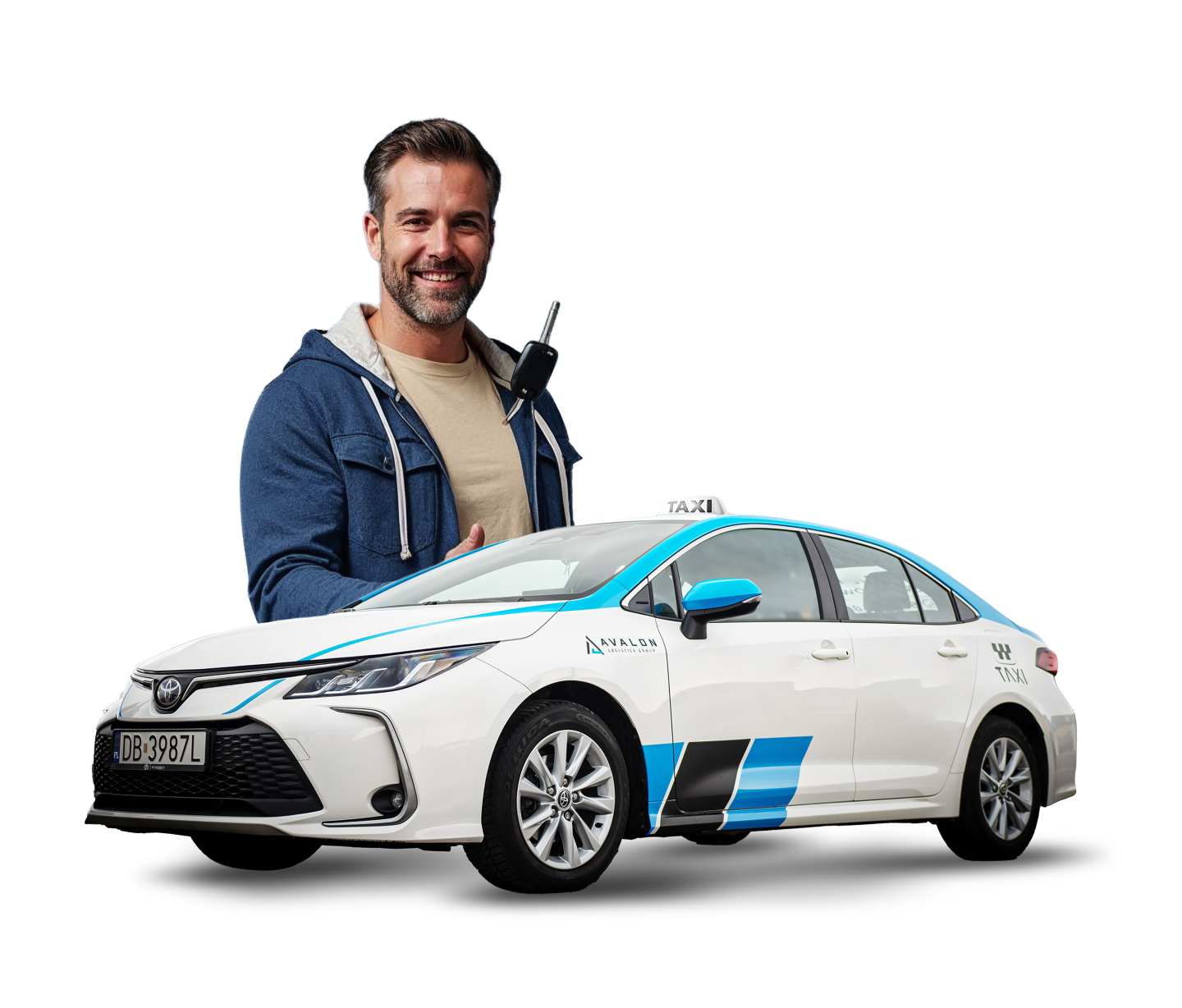
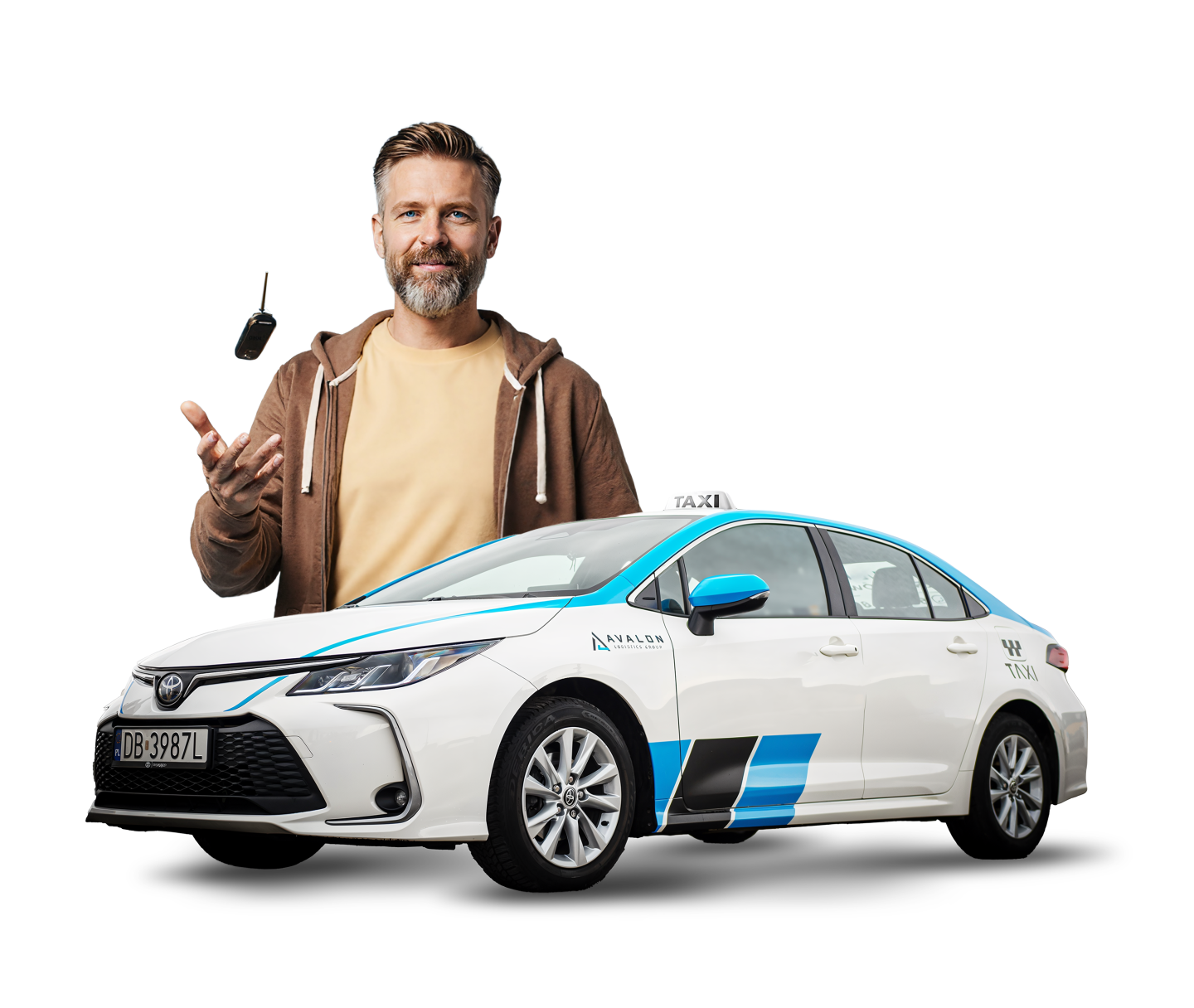
Working as a Taxi Driver – Hybrid Toyota with LPG from Avalon Logistics
Want to start driving a taxi and looking for a car that truly cuts costs? You can rent a hybrid Toyota with LPG installation from the Avalon Logistics fleet – a combination of hybrid’s low fuel consumption with even cheaper fuel, which realistically increases your margin with every ride. You get a modern, ready-to-work car, service, and formal support, so you start faster and without large personal investment. Additionally, quiet city operation, lower emissions, and Toyota’s comfort translate into better ratings from passengers and more orders.
Join Avalon Logistics drivers, rent a hybrid with LPG, and start earning more from your very first week – contact us to check availability and rental conditions.
Hybrid Engine and Drive – In a Nutshell
The hybrid engine is a duo: the combustion engine provides power and range, while the electric motor ensures smooth starts and efficiency; the controller seamlessly combines the operation of both. The hybrid drive “harvests” energy from every braking event, turning it into genuinely lower fuel consumption in daily commutes.
Table: Types of Hybrids – Quick Comparison
| Type | Electric Driving | Plug-in Charging | For Whom |
|---|---|---|---|
| MHEV | No, only assistance | No | Simple city savings |
| HEV | Short stretches | No, charges while driving | City and traffic jams without a cable |
| PHEV | Yes, real EV range | Yes, regular charging recommended | Electric commutes + longer trips |
Summary
A hybrid is a smart way to lower fuel consumption and enjoy quieter city driving, while a PHEV adds the option of everyday electric driving without worrying about range. If you’re considering a specific model and routes, get in touch – we’ll help you pick the ideal MHEV, HEV, or PHEV for your driving style.
Are you driving for Uber/Bolt/FreeNow or just planning to get started? Rent a hybrid Toyota with LPG installation from Avalon Logistics and start earning without tying up your cash in a car or going through lengthy formalities. You get a taxi-ready car, vehicles are app-ready, fully compliant with taxi regulations, and you benefit from service, insurance, and 24/7 fleet support, so you drive stably and without surprises. Hybrid + LPG genuinely lowers the cost per kilometer in the city, while automatic transmission and quiet operation improve passenger ratings and mean more jobs. Apply today, check Corolla availability, and choose flexible rental conditions fitted to your schedule.
Hybrid car – what is it?
A vehicle that combines combustion and electric drive for better efficiency and lower fuel consumption.
Do you need to charge a hybrid?
Only PHEVs need to be charged; HEV/MHEV do not require a cable.
How does regenerative braking work?
The electric motor works as a generator and charges the battery when slowing down.

BECOME
A TAXI DRIVER
Work and earn right away!