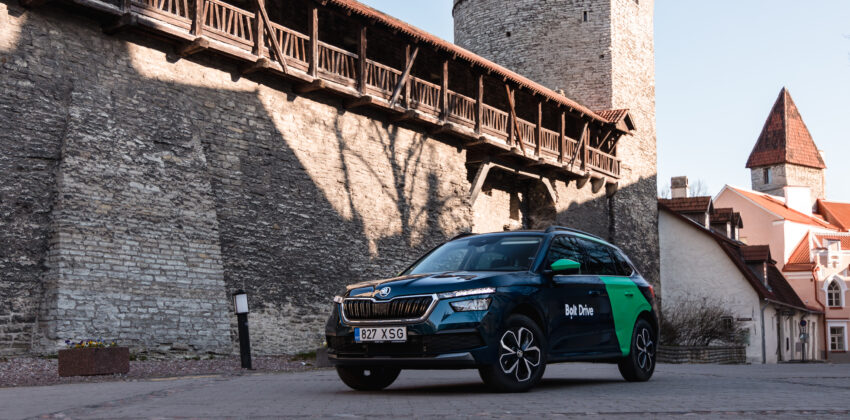
Seat belts in a taxi – a brief explanation
In Poland, the general rule is simple: if a car is equipped with seat belts, you must fasten them – this applies to both front and rear seats. Questions arise when it comes to taxis: Do you have to wear a seat belt in a taxi? Does a passenger in a taxi also have to fasten their seat belt? Does a taxi driver have to wear a seat belt? Below you’ll find clear answers, exceptions, and information about fines according to current regulations.
Note: regulations and the fine tariff can be updated. Treat the following as a practical guide, and in case of doubts verify the latest wording of Article 39 of the Road Traffic Act and the current fine tariff.

BECOME A TAXI DRIVER
Work and earn right away!



Do you have to wear a seat belts in a taxi?
- In short: yes. Passengers in a taxi (front and rear) are required to fasten their seat belts, provided the seat is equipped with them and no statutory exception applies.
- Just because you’re riding with Uber/Bolt Taxi or a corporate taxi doesn’t exempt you from fastening your seat belt. Exceptions are described below.
Fine for not wearing a seat belt: who and how much?
- A passenger without a seat belt is at risk of receiving a fine.
- A driver transporting someone without a seat belt can also be fined for carrying a passenger not using a seat belt (exceptions below).
- Fines and penalty points: according to the current tariff, the fine for not wearing a seat belt is imposed on both the passenger and the driver (as separate offenses). The amount and number of penalty points may change – check the current rates in the applicable regulation.
Practically: these are two separate offenses – a passenger not wearing a belt and “transporting a person without fastened seat belts” by the driver.

Does a taxi driver have to wear a seat belts in a taxi?
- As a rule, drivers must wear seat belts.
- Exception for taxi drivers: A taxi driver carrying a passenger is exempt from the obligation to wear a seat belt (this follows from the catalogue of statutory exceptions).
- When driving “empty” (without a passenger) – the usual rules apply, meaning seat belts must be fastened.
- Regardless of the exception, for safety it is recommended to always wear a seat belt whenever possible.
Further explanation:
- Legal basis: The exception for taxi drivers is specified in art. 39 of the Road Traffic Act, which waives the seat belt requirement for, among others, “a taxi driver while carrying a passenger”.
- Justification: This exemption is justified by the safety of the driver himself. In situations where a dishonest or aggressive passenger poses a threat, fastened seat belts could restrict the taxi driver’s movements, making it harder to defend himself or escape.
Does the rear passenger have to wear a seat belt?
- Yes. A rear seat passenger in a taxi must fasten their seat belt if the car is equipped with them, unless one of the exceptions applies (e.g. medical).
- Children: the rules regarding transporting children in child seats/restraints suited to their height/weight apply; this is a separate obligation and carries higher penalties for violations.

Who doesn’t have to wear a seat belt? The main statutory exceptions
Below are selected, most common exemptions from the seat belt requirement (according to Article 39 of the Road Traffic Act – check for the latest version):
- A taxi driver while carrying a passenger.
- Instructor or examiner during training/exam.
- Woman in visible pregnancy.
- Person with medical contraindications, confirmed by a valid medical certificate.
- Medical team while providing assistance and certain persons in emergency vehicles – as specified by law.
Important: the exceptions are strictly defined. Lack of comfort, “short distance” or “driving in the city” do not exempt you from fastening your seat belts.

Obligation Table
| Situation | Seat belt obligation |
|---|---|
| Front passenger in a taxi | Yes (unless statutory exception applies) |
| Rear passenger in a taxi | Yes (unless statutory exception applies) |
| Taxi driver without a passenger | Yes |
| Taxi driver with a passenger | Statutory exception – seat belts not required (however, recommended for safety) |
| Child in a taxi | Generally child seat/restraint device (according to height/weight) |
Frequently Asked Questions (FAQ)
Do I have to wear seat belts in the back seat in Uber/Bolt (taxi category) too?
Yes. The app does not change the law – passengers must fasten their seat belts except for statutory exceptions (e.g., medical reasons).
Will the taxi driver get fined if the rear passenger is not wearing a seat belt?
Possibly – for transporting a person without a fastened seat belt. The passenger can also be fined.
I have a medical certificate – is a photo on my phone enough?
In practice, it’s best to have the original or a legible printout. The officer may require a document confirming the contraindications.
Mini Checklist: Safe and Legal Taxi Ride
- Passengers: remind them about seat belts after departure (briefly and politely).
- Back seat: make sure hooks and buckles are working – no excuses like “it won’t fasten because…”.
- Children: inform about the need for a child seat/device – the driver may refuse a ride that doesn’t comply with the law.
- Documents: if you use exceptions (e.g., medical), have a valid certificate with you.
Summary
Taxi passengers – both in the front and back – are required to fasten their seat belts, and the exceptions to this rule are rare and strictly regulated by law. A taxi driver is exempt from wearing a seat belt only while transporting a passenger; when driving alone, they must wear a seat belt. Both the passenger and the driver transporting a person without a fastened seat belt may be fined for not wearing a seat belt, so for your own safety, it is worth fastening your seat belt every time. If you want to drive in compliance with the law and without stress, consider cooperating with a certified partner app Avalon Logistics, who will assist with paperwork, training, and settlements.

BECOME
A TAXI DRIVER
Work and earn right away!