Autumn, dusk, and new rules — why now?
Autumn is a time of “increased vigilance” for drivers and couriers. After the holiday season, heavy traffic resumes, it gets dark earlier, and cities are introducing or testing changes in traffic organization — from expanding paid parking zones to elements of the Clean Transport Zone (SCT) and new bus lanes. All of this affects your ETA, safe pull-up locations, and the risk of getting fined.
This guide brings together the key best practices for Q4 2026 for six metropolitan areas: Warsaw, Kraków, Wrocław, Tricity, Łódź, and Katowice/GZM. You’ll get an overview of plans/rules (what’s in place and what might be coming), a profitability table for car/scooter/bike, legal pull-up schemes, and a checklist of 10 behaviors that actually reduce fines and delays. Remember: local law is dynamic — treat these tips as a practical compass, and always check the latest city notices.

BECOME A TAXI DRIVER
Work and earn right away!


Clean Transport Zones and Parking: what’s changing in Q4 2026
SCTs in Poland are developing gradually and locally. In some cities, consultations or pilot projects are underway; in others, rules already apply in specified areas and at certain times. At the same time, paid parking zones (SPP) are expanding, new bus lanes are appearing, and there are more zones with traffic calming (speed limits of 30 km/h, woonerfs, one-way streets).
Key consequences for drivers and couriers:
- Access to the center is more selective — emission standards (SCT – Clean Transport Zones), SPP rates and hours, as well as bus lane permissions matter.
- The “last 200–400 m” determines your time and fines — choosing a legal pull-up point and shortest customer walk to the indicated location is key.
- Rules don’t disappear in the evening or rain — checks are often even more frequent in central zones then.
Overview of 6 metropolitan areas: what’s in place, what’s coming, what to avoid
Note: the information below is a practical outline. The status of clean transport zones/paid parking zones/exemptions may change from month to month. Always verify: your city’s BIP, ZDM/ZDiUM/ZDiT, official SPP maps, and current legislation.
Warsaw
- Clean transport zones and traffic in the center: phased entry restrictions for older, high-emission vehicles — with exceptions (e.g., residents, statutory entitlements). Check the city’s current guidelines and zone map.
- SPPN: a wide and growing zone, various subzone rates and hours in effect; evenings/weekends are often cheaper, but not everywhere.
- Bus lanes: usually for buses and taxis; private cars — only where permitted by signage.
- Tip: bridges and Al. Jerozolimskie are “bottlenecks”; keep this in mind for short rides.
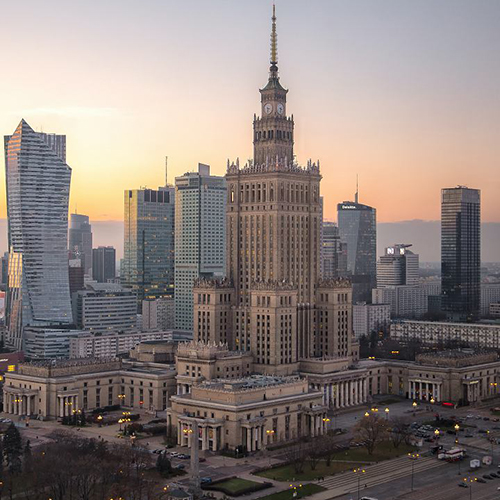
Kraków
- SCT: the issue returns in consultations and projects (after changes in previous years); expect zoning and exceptions.
- SPP: large A/B/C zone, strict enforcement in the center; many one-way sections.
- Restricted traffic zones: historic center with additional access rules.
- Tip: near the Old Town and Kazimierz, designate “bays” on the perimeter and plan for a 150–300 m walk.
Wrocław
- SCT: conceptual work and consultations ongoing; in the center, a dense grid of one-way streets and 30 km/h zones.
- SPP: expanding, various tariffs; checks are frequent even outside the city center.
- Bridges: real “bottlenecks”; detours can significantly extend your ride.
- Tip: stick to one side of the Oder on short trips; plan legal stops on side streets.
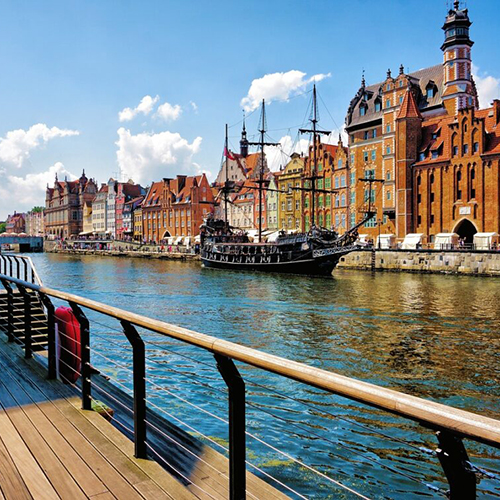
Tricity: Gdańsk, Sopot, Gdynia
- Clean Transport Zones: make it a habit to check announcements — discussions and pilots happen in waves.
- Paid Parking Zones (SPP): extensive (especially Gdańsk and Gdynia); Sopot features seasonal changes and the specifics of seaside streets.
- Bypass and tunnels: these determine longer drive times; on stormy days, traffic can be unpredictable.
- Tip: at shopping centers, use short-term stops “Kiss & Ride” or 15–30 min parking areas.
Łódź
- CTZ: analytical and conceptual work underway; possible staged projects.
- Paid Parking Zones (SPP): large, expanding areas; woonerfs and one-way streets require planned approaches.
- Tip: main arteries are faster than shortcuts through “short” side streets.
Katowice/GZM
- Clean Transport Zones: implementation timeframe is considered at the metropolitan level, changes may progress at different speeds between cities.
- Paid Parking Zones (SPP): expansion of zones and new rules in downtown areas; expressways “rule” longer runs.
- Tip: always check for incidents at DK86/DK79 junctions early; for shorter rides, it’s better to “finish” them by walking from a legal side street.
Table: when a car, scooter or bike pays off (Q4, rules + cost vs convenience)
Values are approximate (city/weather/time changes the outcome). “Cost/h” includes fuel/charging/service/parking (for the car).
| Mode | Best usage conditions | Cost/h (approx.) | Convenience | Risk of fines (SPP/CTZ) |
|---|---|---|---|---|
| Car | Rain, trips 5–10 km, outside strict downtown | 14–24 zł + SPP 5–10 zł | high in rain | medium/higher |
| Scooter | 2–6 km, cities with moderate traffic | 7–12 zł | good | low/medium |
| Bicycle | 1–4 km, city center, dense orders | 1–3 zł | very good | low |
Pro tip: for central addresses during rush hour, a bicycle is often the fastest door-to-door. The scooter offers a “speed + easy parking” compromise. The car wins for longer distances and in bad weather, but remember about SPP and the risk of entering restricted sections.
Practice: legal approaches, where to wait, and how not to get fined
- Loading zones and “Kiss & Ride”: these are often the best “last 5 minutes” spots. Check signage — not all bays allow stops over 1–3 minutes.
- Cross streets and side streets: instead of squeezing directly to the address, park 150–300 m away — you’ll save time and avoid stress.
- Short-term parking: shopping malls, office buildings, transit hubs — many offer free 15–30 minutes.
- Bus lanes: private vehicles only if the sign allows it. Taxis and authorized vehicles — according to the signs.
- Residential zones: pedestrians have priority; park only in designated spaces.
- CTZ: if in effect — check entry in advance; exemptions and emission standards differ by city.
- Waiting for an order: avoid bus stops and exits of gates. Better to wait in a legal bay or on a 15-min parking lot.
Micro-strategies for the “last mile”
- “Park & walk 200 m”: standard in strict city centers — faster and less stressful than circling for a quarter of an hour.
- Covered spots: in the rain, choose monitored gateways, covered gallery driveways, or “delivery” entrances (under security supervision).
- Zone swapping between drivers: rotate areas with fellow drivers (e.g., every 30–60 min) to avoid staying in the same “dead” zone.
- “Two-step” pickup: if the building has a reception/security desk, check if you can leave the package there — it will reduce your waiting time.
- “Sidewalk shortcuts” map: keep pedestrian shortcuts in mind (passages within blocks, gates connecting streets) — they often save 3–5 minutes.
Comparison / Test / Benchmark: two routes x three modes (approximate)
Methodology: short, urban segments of 3 km and 5 km in strict city centers (Q4, evening, light rain). Measured: time from “legal stop” to “delivery door” and back to the vehicle.
| Distance/conditions | Car (SPP + park & walk 200 m) | Scooter (park & walk 100–150 m) | Bicycle (to the door) |
|---|---|---|---|
| 3 km, light rain | 16–22 min | 14–18 min | 12–16 min |
| 5 km, light rain | 22–32 min | 18–26 min | 16–24 min |
Conclusions: for short, central routes, bicycle and scooter win on the “last stretch.” Car makes up for it with comfort and capacity, but loses out on parking.
Checklist: 10 behaviors that minimize the risk of fines and delays
- Check if the address is located in an SCT or restricted traffic zone.
- Plan a legal stop 150–300 m from your destination instead of “at the door.”
- Use an app for SPP — you’ll avoid ticket machines and being late.
- Don’t use the bus lane without permission (check the T sign).
- In the center, choose side streets — easier to turn around and leave.
- In the rain, aim for covered entrances (galleries, monitored gateways).
- After 10 PM, slow down in residential zones; pedestrians have the right of way.
- Leave a note or photo of the delivery (if the service rules allow).
- Lighting and reflectors — visibility means safety and smoother operation.
- Document “proof of diligence” (screenshots from apps/obstacles) — it’s a treasure if you need to file a complaint.
Summary
In Q4, being clever counts in the city center: whether you work as a courier or taxi driver, plan the last 200–300 m instead of fighting for a spot at the door. For short trips, choose a bike/scooter; for rain and longer distances, a car—just remember to factor in SPP. Before each run, check SCT/SPP and pick a legal bay or parking 15–30 min away. Hold steady slots (evenings/weekends), rotate districts, and note covered points—it shortens your wait times.
Want to get into taxi or deliveries without paperwork and start earning faster? Choose a certified partner Avalon Logistics—they’ll help with formalities, accounting, and training, so you can drive confidently and without fines from day one.
BECOME A TAXI DRIVER
Work and earn right away!