The work of a taxi driver means dozens of passengers per week, and sometimes also stains from coffee, sand, mud, or an unpleasant smell left on the back seat of the car. The good news is that cleaning car upholstery doesn’t always require a trip to a professional car wash. In many cases, all you need is a quick reaction, a few basic accessories, and sensible use of water.

BECOME
A TAXI DRIVER
Work and earn right away!



Rule number one: react immediately
A fresh stain is much easier to remove than dirt that has already soaked deep into the fabric. It’s a good idea to keep a small emergency kit in the car: microfiber cloth, paper towels, bottled water, a gentle upholstery cleaner, and a small bag of baking soda.
If a passenger spills a drink, don’t rub the stain vigorously. First, press a paper towel or dry microfiber cloth to absorb the liquid. Rubbing may only spread the stain over a larger area.
Cleaning fabric car upholstery
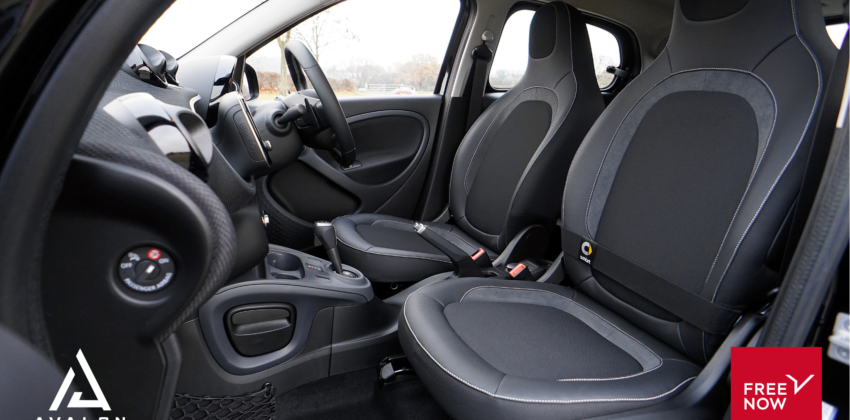
Fabric upholstery most often collects dust, crumbs, pet hair, dirt, and marks from shoes. Before using a cleaning agent, vacuum the seat and the seams thoroughly. Grains of sand during cleaning can act like sandpaper.
To quickly refresh the fabric, prepare a slightly damp microfiber cloth and a small amount of upholstery cleaner. Work in small sections without soaking the seat. When cleaning car upholstery, follow a simple rule: use as little water as possible, because excessive wetting extends drying and can leave an unpleasant smell.

A home remedy for stains
For fresh stains from coffee, drinks, or food, you can use a mixture of lukewarm water with a few drops of gentle dishwashing liquid. Dampen a cloth, wring it out well, and gently collect the stain, working from the edge toward the center.
After cleaning, wipe the area with a clean, slightly damp microfiber cloth, then a dry rag. If possible, open the windows or turn on the ventilation so the upholstery dries faster before your next ride.
Odor after a passenger? Reach for baking soda
Unpleasant odors, for example: after wet clothes, food, or a pet are best neutralized, not just masked with car air fresheners. After your shift, sprinkle a thin layer of baking soda on the dry seat, leave it for a few hours or overnight, and vacuum thoroughly in the morning.
Baking soda can help freshen up the material, but it won’t replace removing the source of the dirt. If a drink has spilled under the seat, you first need to thoroughly dry the upholstery and floor mat.
| Problem | Quick Action | What to Avoid |
|---|---|---|
| Spilled drink | Blot with a towel, wipe gently with a slightly damp microfiber cloth | Vigorous scrubbing |
| Mud and sand | Wait for them to dry, then vacuum | Cleaning wet mud |
| Greasy stain | Use a gentle upholstery cleaner | Soaking the seat with water |
| Unpleasant odor | Baking soda and thorough airing of the car | Masking odor with perfumes |
How to clean leather in your car?
Leather upholstery requires even greater delicacy. Start by vacuuming the seat with a soft nozzle, especially near the seams and creases. Then wipe the leather with a slightly damp microfiber cloth not a wet rag and not by spraying the seat directly. Manufacturers recommend limiting the amount of water used and applying a care product after cleaning.
If you’re wondering how to clean leather in your car, the safest choice is a dedicated automotive leather cleaner and a soft microfiber cloth. It’s best to first apply the product to the cloth or a soft brush, not directly to the seat. Work gently, without strong pressure, and then remove any residue with a second, clean cloth.
Do not use aggressive detergents, alcohol, solvents, or regular soap. These can dry out the leather, damage its protective layer, or cause discoloration.

When is a car upholstery cleaning necessary?
Quick cleaning works well for minor, fresh stains. When a stain returns after drying, the fabric smells musty, and the seats are noticeably gray, it’s worth scheduling a thorough car upholstery wash with a wet vacuum cleaner or hiring a professional service.
Regular vacuuming, prompt action after each ride, and careful use of cleaning products help keep your car’s interior in good condition. It’s not just a matter of aesthetics a clean, fresh-scented car creates a better impression for passengers and may lead to higher ratings in the app. Prepare your emergency kit today, so that no post-shift surprises take you out of work.
Summary: a clean car means better ratings and more rides
Taking care of your car’s interior is one of the basic principles of the Good Taxi Driver Code. A passenger may not remember every route, but they will certainly notice a dirty seat, the smell of food, or a stain from a previous trip. Regular vacuuming, quick cleaning of the car upholstery, and airing out the interior create an impression of professionalism and care for travel comfort.
This is especially important if you accept rides through popular apps such as Uber or Bolt. A high driver rating depends not only on driving safely and being polite, but also on the car’s cleanliness, its smell, and the overall comfort for the passenger. Well-kept upholstery can help you avoid negative feedback after a ride, and a good experience increases the chance of a 5-star rating.
So it’s worth adopting a simple routine after work:
- Vacuum seats and mats at least several times a week.
- Immediately respond to spilled drinks, mud, and other fresh stains.
- Air out the car after a busy workday.
- Refresh the upholstery regularly and monitor the scent in the interior.
- Plan thorough upholstery cleaning before the dirt becomes visible to passengers.
Avalon Logistics advises: a clean car is your business card. Take care of it after every workday and passengers will be more likely to leave a positive review, a tip, and a high rating in the app.

BECOME
A TAXI DRIVER
Work and earn right away!